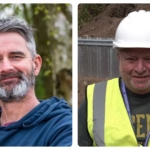
Chris Bailey’s 50 years on the cut
When our now Construction and Operations Trustee, Chris Bailey, first stepped onto the towpath as a fresh‑faced apprentice carpenter on 5 August 1976, he could never have imagined that half a century later he’d be helping to shape an entirely new chapter of canal history in Lichfield.
I started my career as an apprentice carpenter at Fradley Junction, in 1976, covering the Trent and Mersey Canal, from Burton to Trentham and the Staffs and Worcester Canal, from Haywood to Gailey. However my first month with British Waterways coincided with the blistering heatwave of 1976, so it wasn’t spent with chisels or planes, but moving water across the network to rescue stranded boats during the drought. Once the rains returned, I began four years of carpentry and joinery training at Luton College – a period that blended tradition, craft, and sheer hard graft.
As part of my training, I spent four intensive weeks at the Bulbourne workshops, manufacturing traditional oak lock gates by hand. Evenings were no rest either: all of the students learned plumbing, plastering, signwriting, painting, and decorating, building the broad skillset needed to keep the waterways alive. During non‑term seasons, I returned to the cut for lock maintenance, jackhead replacements, and winter gate renewals.
By 18, I was entrusted as the Stafford Section carpenter and given charge of Sagitta, a 70‑ft 1935 narrowboat used to ferry gantries and lock gates to remote sites. Sadly, I don’t have any photos from that time, but she’s now on display at the Black Country Living Museum, so I’ve been able to revisit her.

Across my career, I fitted gates across the Trent & Mersey and the Staffs & Worcester, culminating in a milestone and coincidence: my final set of gates was at Great Haywood in 1981, and I replaced gates first installed in 1918.
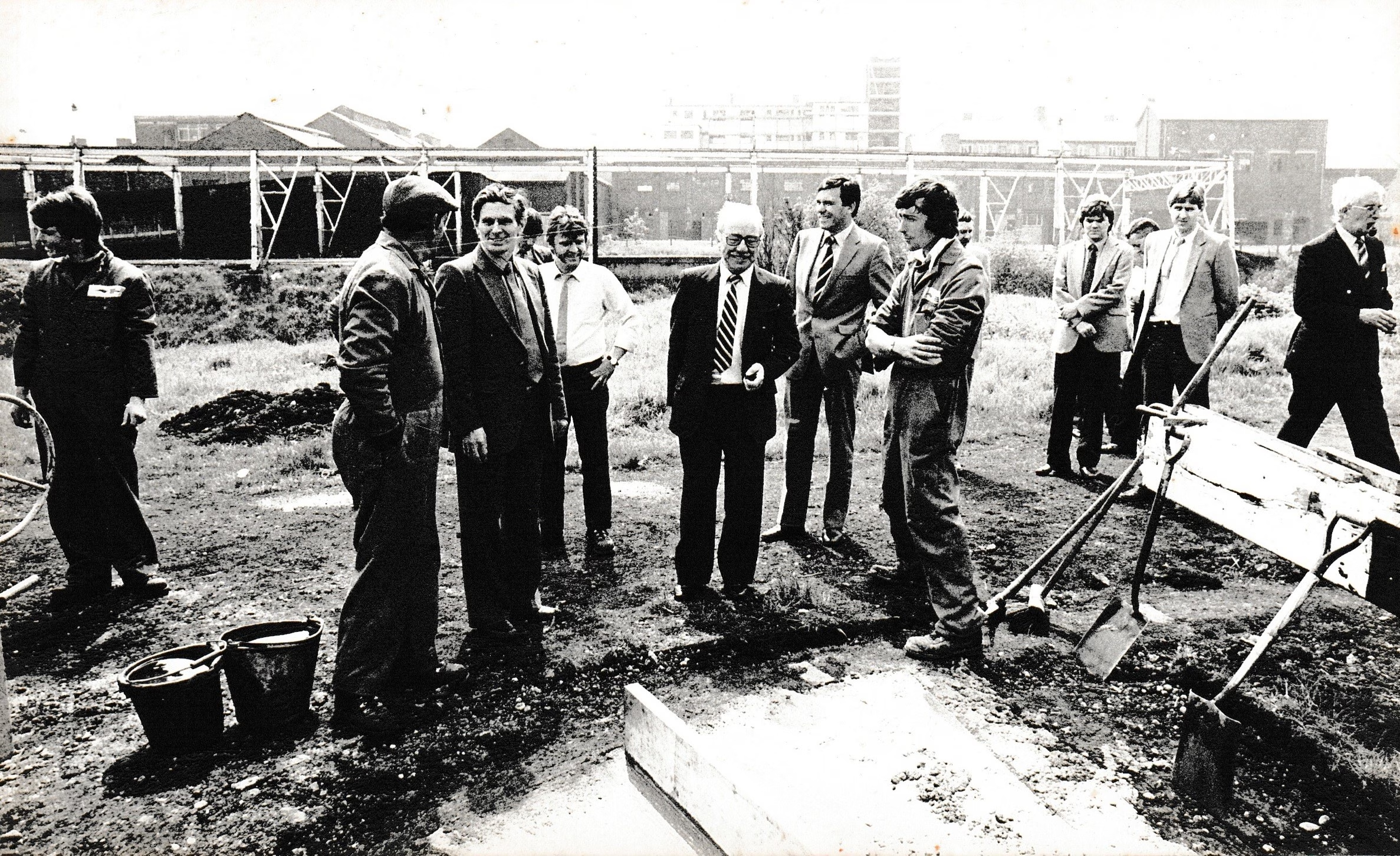
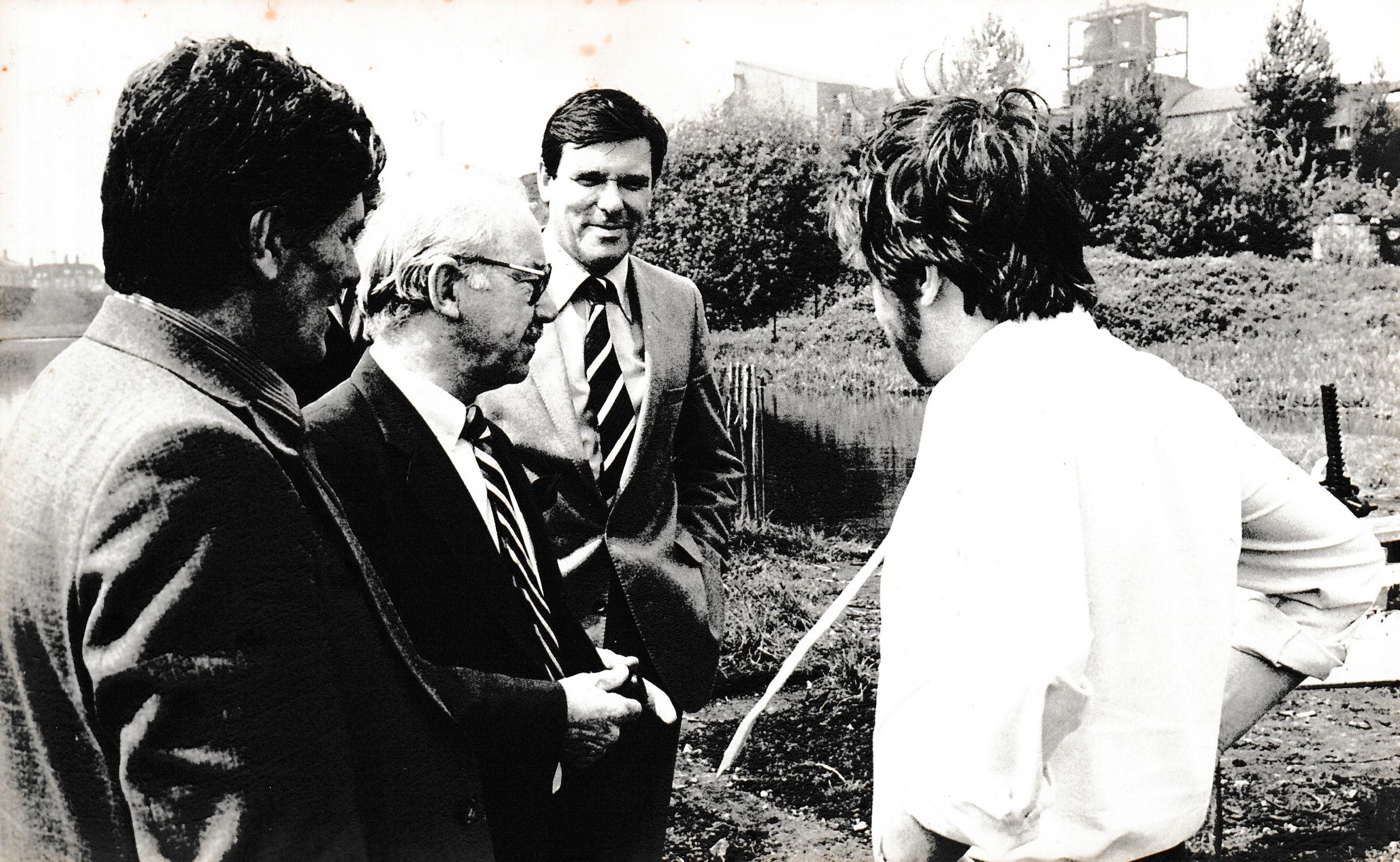
I then became length foreman on the Birmingham Canal Navigations (the photos below show a British Waterways Board visit to Smethwick locks in 1982). I later served as section inspector on the Soar, and then retrained as a civil engineer and safety advisor. In the following years I helped modernise HR frameworks across the British Waterways and latterly Canal and River Trust.
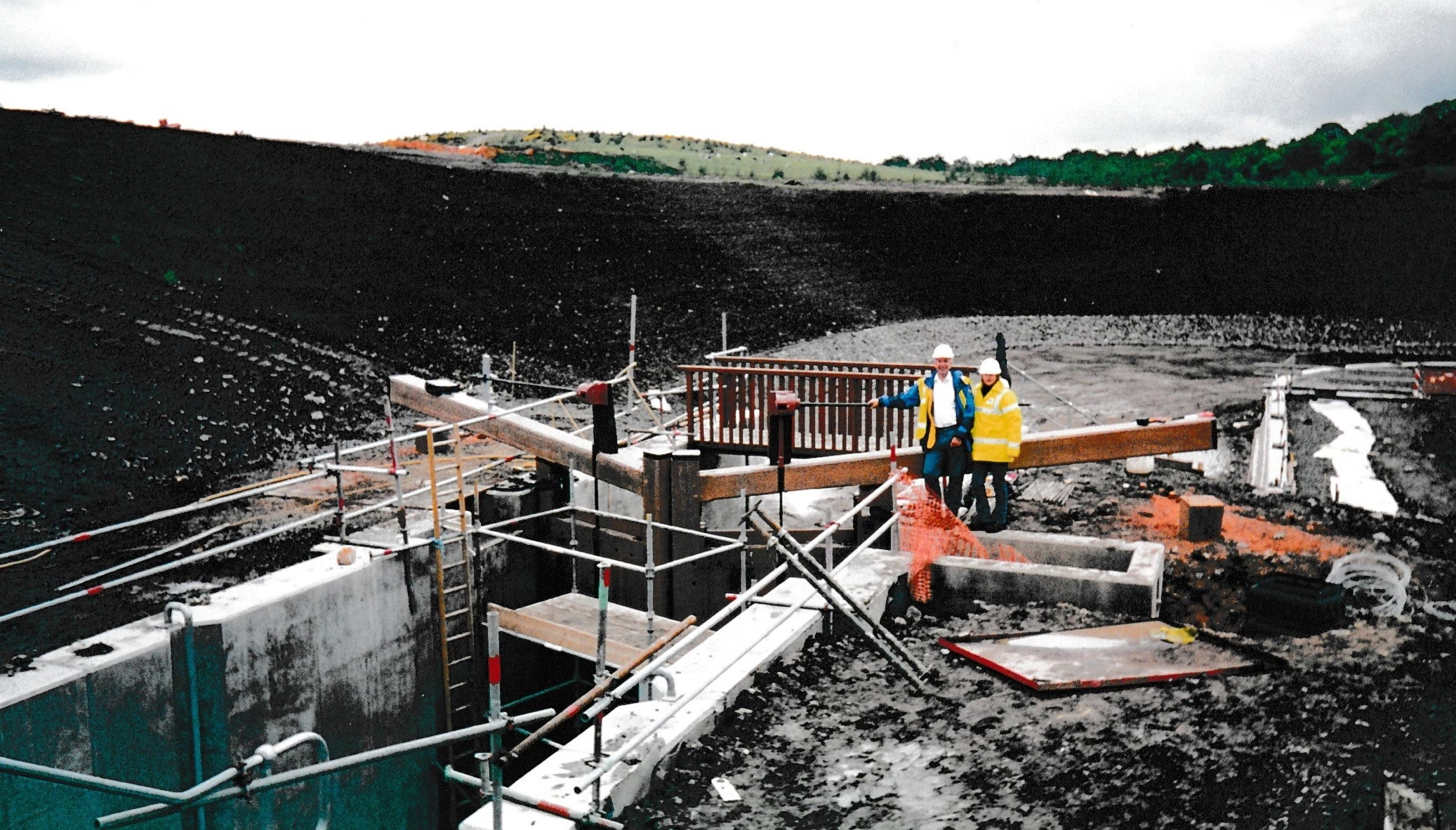
My proudest chapter came in 2001, managing the complex installation of 24 broad lock gates for the reopening of the Forth & Clyde Canal, after its closure in 1963 for road construction. The photo below shows us fitting gates to one of the newly constructed lock chambers.
And now, in 2026, fifty years after I first joined the waterways in 1976, I find myself at another extraordinary coincidence: helping to oversee the completion of the Gallows Reach section of the Lichfield Canal, and preparing for the construction of the first new lock on the line.
Looking back to that first day on the towpath I could never have imagined that half a century later I’d be helping to shape an entirely new chapter of canal history in Lichfield.
Chris Bailey
Construction and Operations Trustee
This blog first appeared in Cut Both Ways, our members’ magazine.