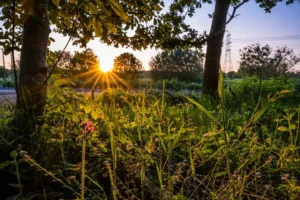
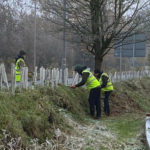
We’re not just restoring a canals, we’re also creating sustainable habitats for diversifying wildlife, increasing biodiversity and carbon capture. So we are currently letting our grass grow!
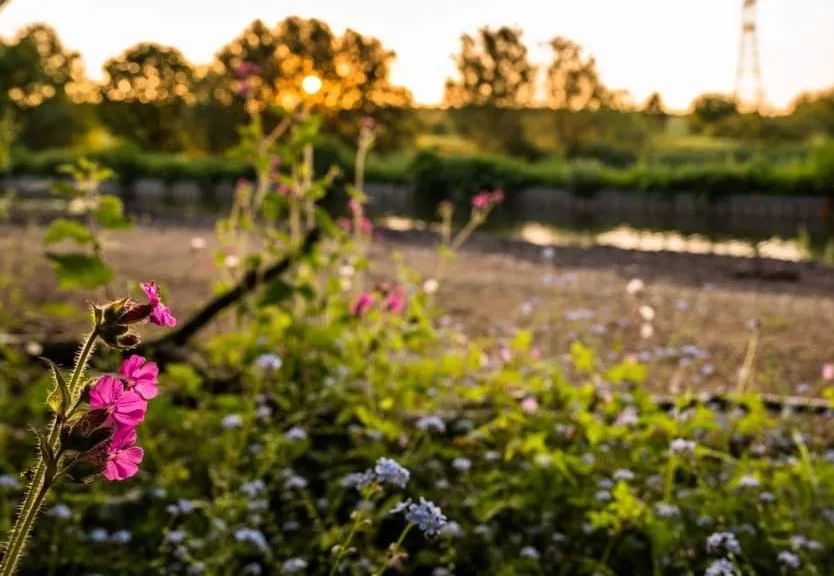
During the summer months we follow Plantlife’s ‘No Mow May’, ‘Let it Bloom June’ and ‘Knee High July’. We don’t cut back wildflowers, nettles and seeded grasses because of their importance to pollinators and birds. Wildflowers are left to go to seed and we shake them after they die back to optimise their reseeding.
Important exceptions are that we will keep clear towpaths and trails that are open to the public and we follow a proactive schedule of weeding, tidying and clearing those paths including a 0.5m margin (where we can).
Why is this important? The UK has lost approximately 97% of flower-rich meadows since the 1930s, and with them vital food needed by pollinators, like bees and butterflies, is gone too.
A healthy grass verge with some long grass and wildflowers benefits wildlife, tackles pollution and can even lock away carbon below ground. Even the smallest grassy patches add up to a significant proportion of our land which, if managed properly, can deliver enormous gains for nature, communities and the climate.
By not mowing in May, wildflowers have had a chance to grow and as the growth season moves into June, taller growing flowers start to bloom, which can then support the lifecycles of invertebrates.
Once July comes along, grassland left unmown won’t support so many wildflowers but will provide vital sanctuary for wildlife during a hot summer, providing vital protection for toads and voles while seedheads will act as natural bird feeders for visiting finches.
So if you’re walking along the canal route, and spot a lot more weeds – we’re saving the bees.