2020 - Off to a good start with permission to proceed
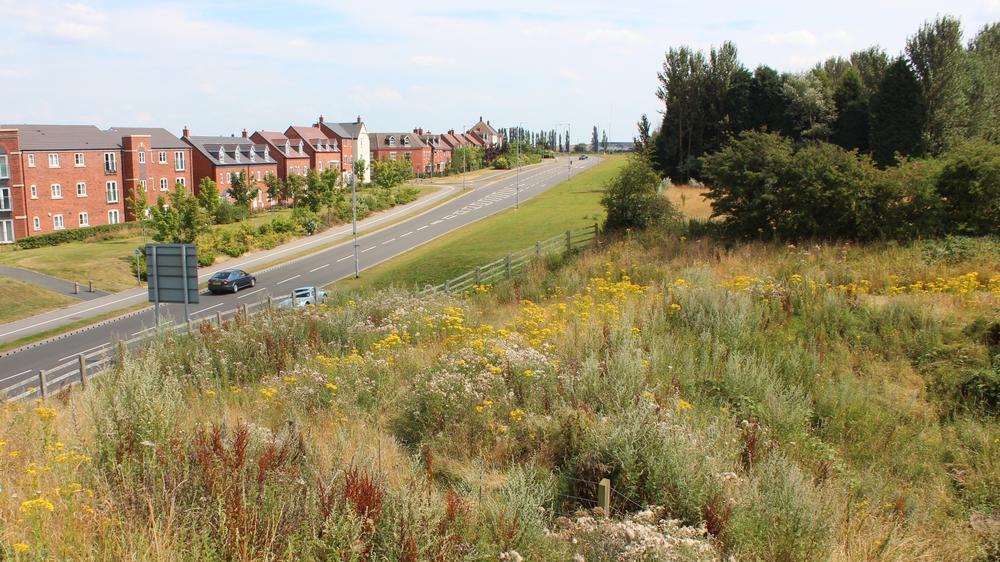
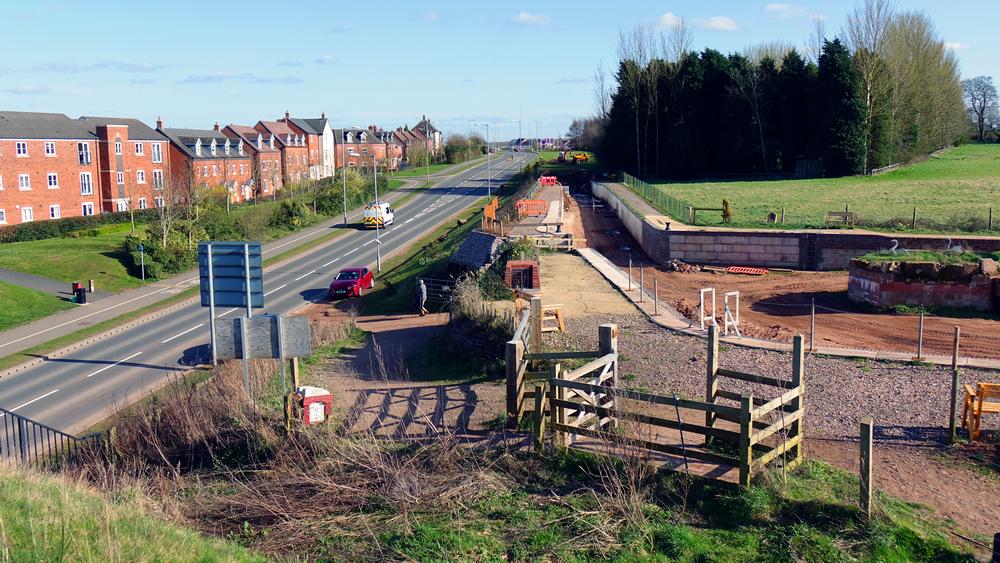
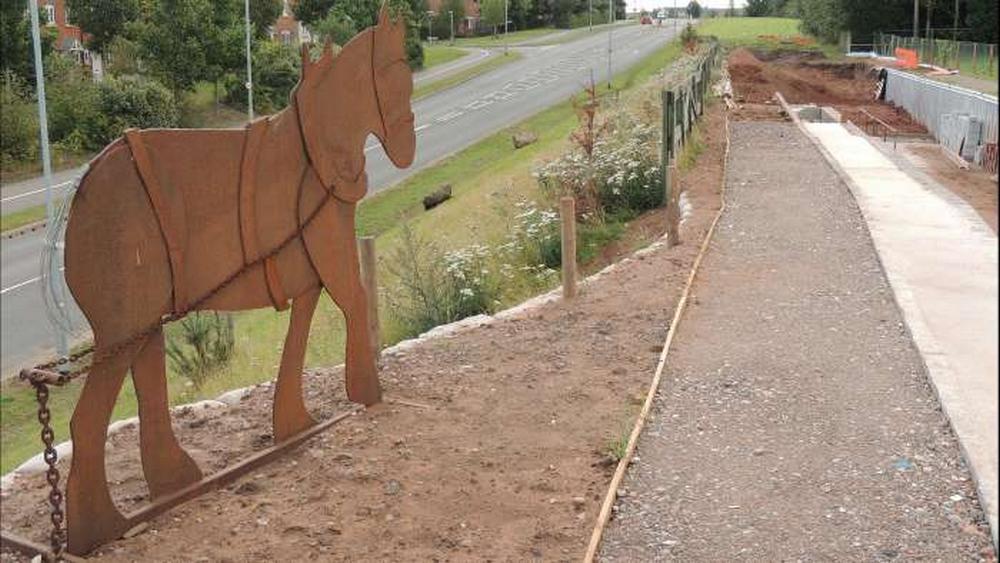
In January 2020 Staffordshire County Council transferred ownership to our Trust of the first length of the Falkland Road environmental corridor, reserved since the bypass was constructed in 2006. This will accommodate a diversion of the Lichfield Canal replacing the original route past the historic Sandfields Waterworks which has been redeveloped since the canal was legally closed in 1954.
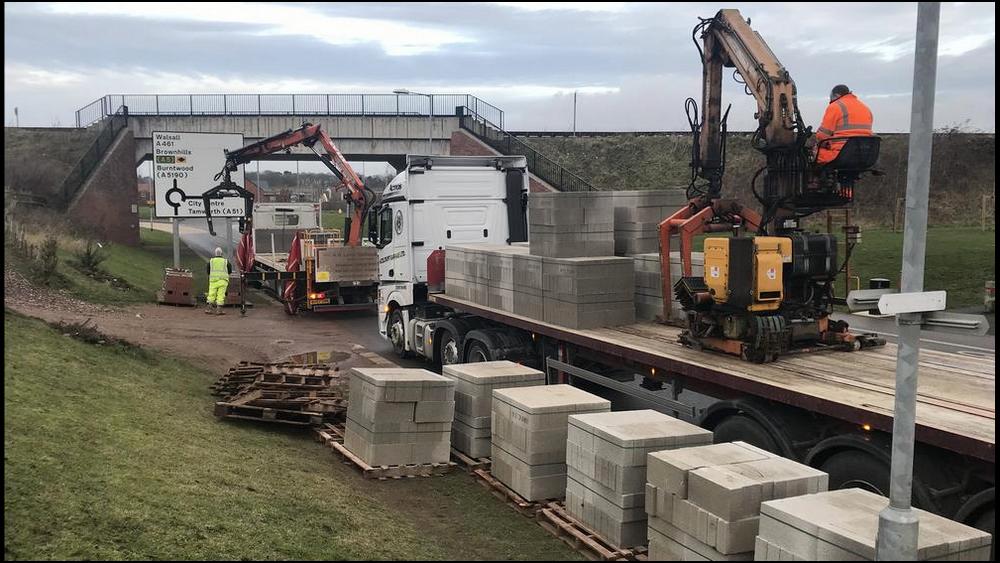
January 8th - Chasetown Civil Engineering delivered bricks and concrete blocks for the work being carried out by Lichfield and Hatherton Canals Restoration Trust at its Fosseway Heath site. This valuable donation will allow the Trust’s volunteers and South Staffs College students, who are receiving on-site work experience supervised by their tutors, to extend the curved wall taking the canal from the Fosseway Heath basin via a sharp turn into the Falkland Road section, and to add to the towpath wall below Lock 18.
A busy time for the sand-baggers.
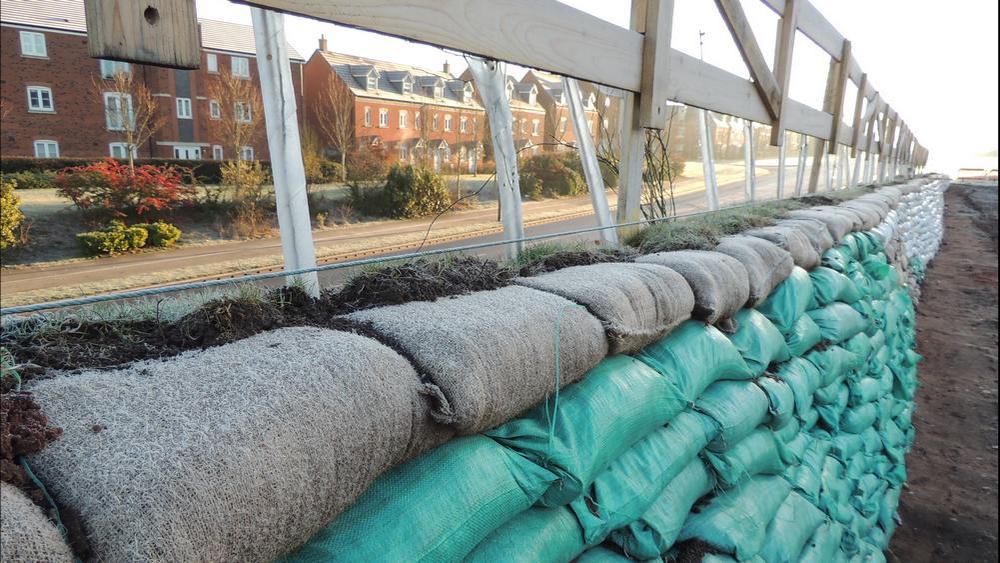
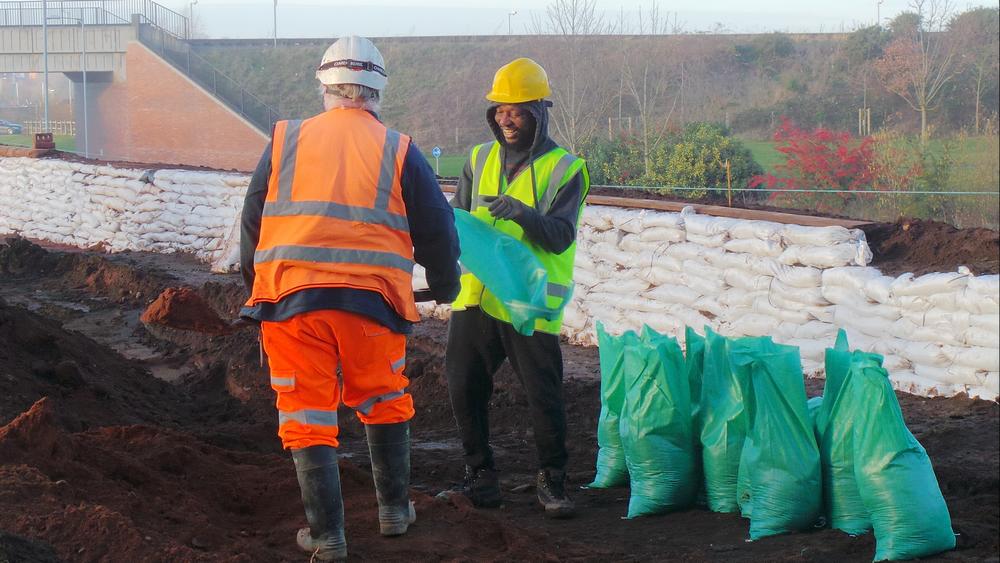
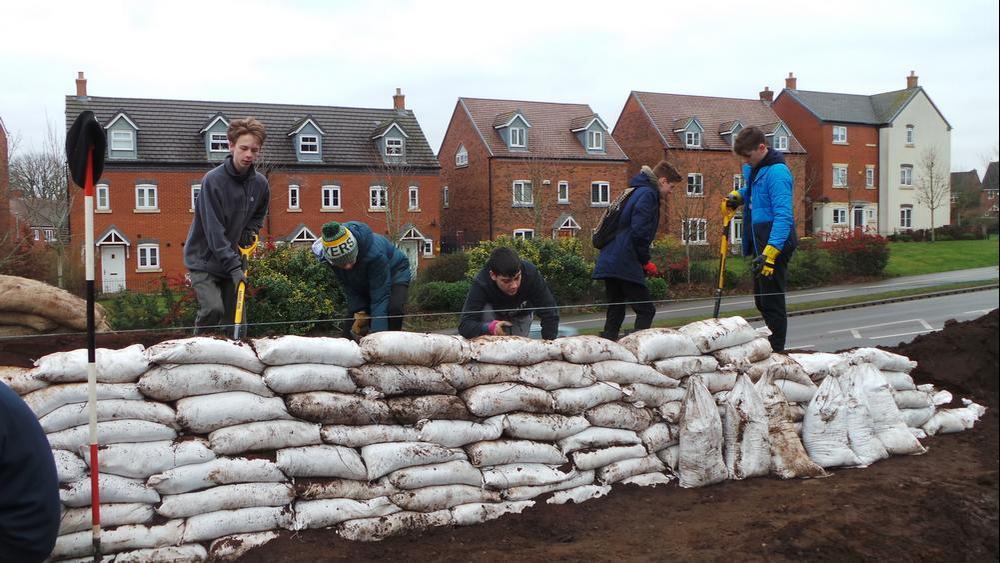
You may well have noticed that we are using a lot of sandbags as a method of constructing various banking requirements around the site. You will have seen that there are two types of bag, the plastic ones and the hessian ones.
Why the different colours and why do we use them? Hugh Millington explained all in his working party blog in this 'Tutorial on sandbags'
February - A new section underway
Most of the construction work within the ‘big pound’ adjacent to the disused railway embankment had been completed. A bit of brickwork along the tops of the enclosure wall is all that is left, of any substance, to complete. Permission to start work alongside Falklands Road was eagerly awaited but the months dragged on without it. Eventually we got the all clear to proceed up to the coppice.
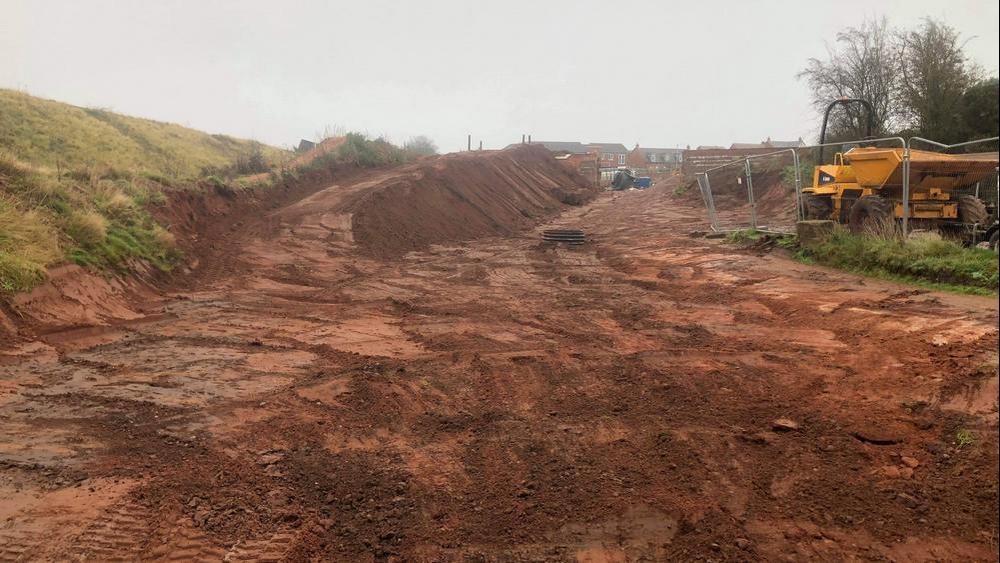
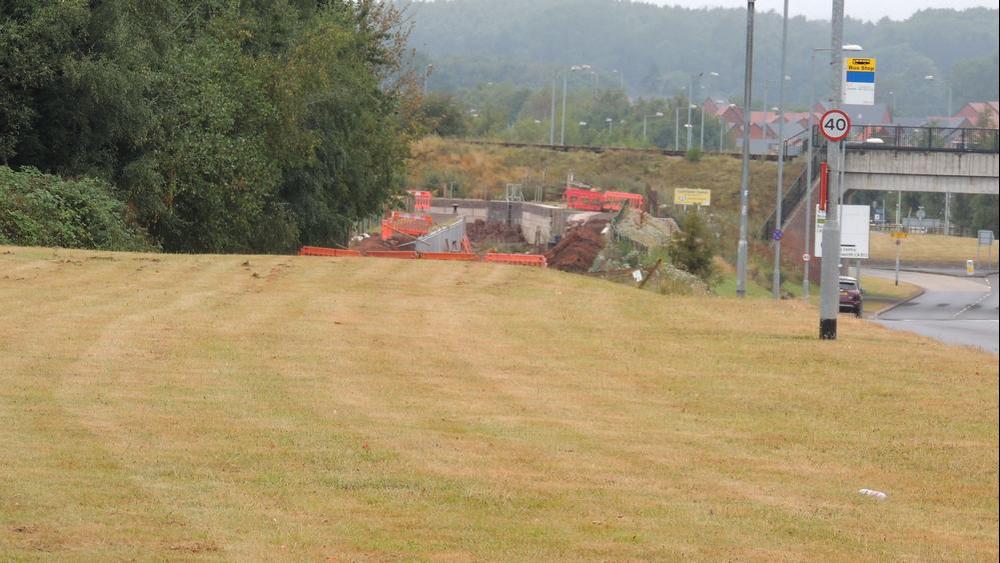
This new work area is pretty big. Starting at the exit from the ‘big pound’ the new canal bed has to be dug, against rising land, up to and under Claypit Lane. Beyond Claypit Lane, the land falls away again as we approach the Birmingham Road, where two locks need to be built to take the canal down and under the A5127 island and on to a new tunnel under the Lichfield-Birmingham railway line.
Before work could start on the main drag, it was important to ensure that we had made the exit from the pound big enough for a 70’ foot narrow boat to get through. And, secondly, we had to be sure that a sizable water mains pipe which passes beneath the canal, and eventually the road, was deep enough to be of no problem to ourselves.
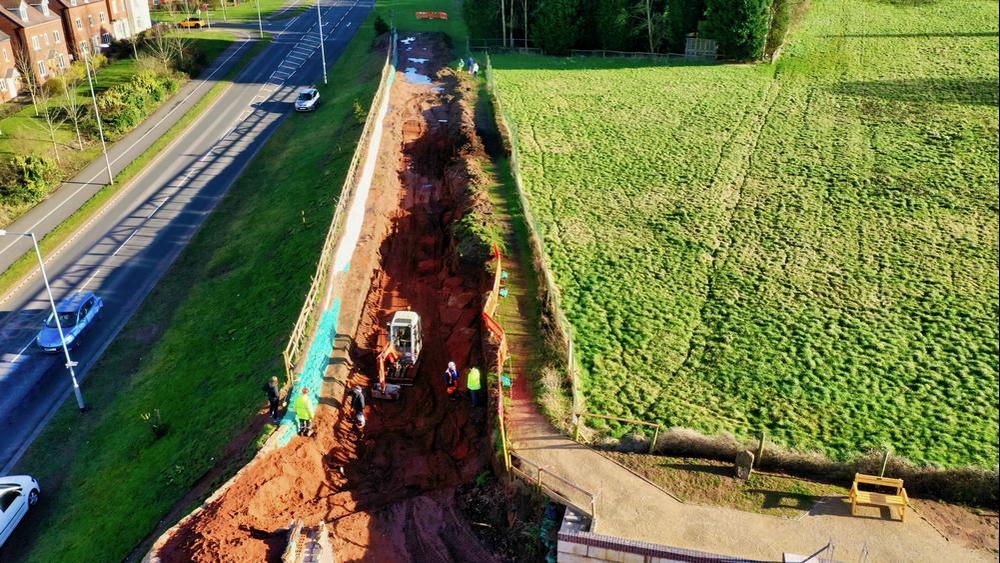
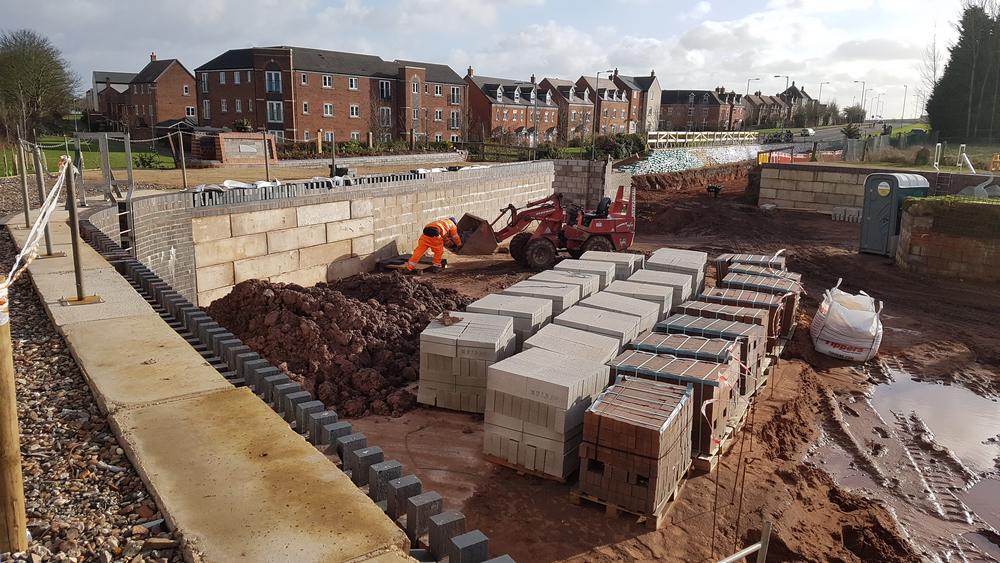
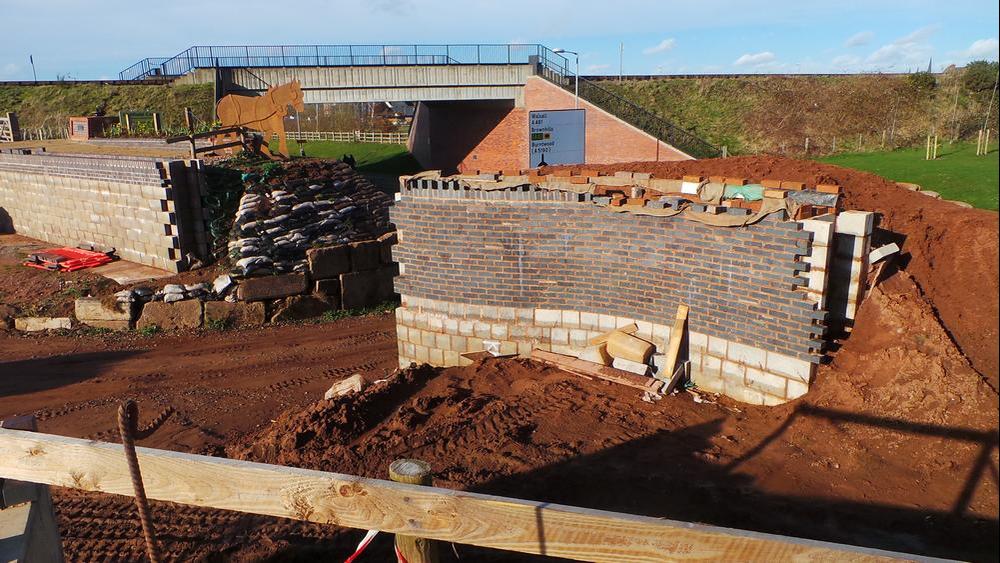
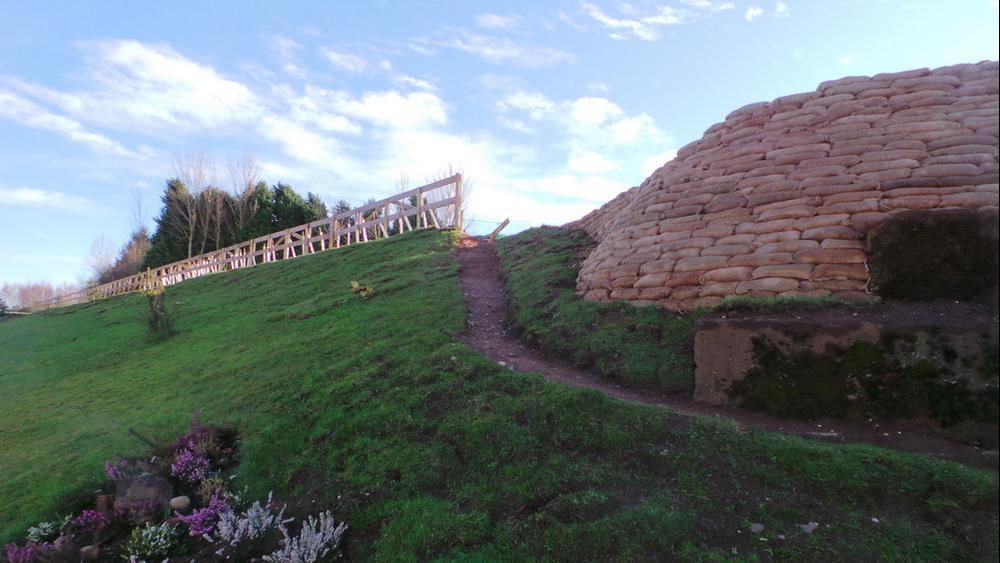
To ensure the longer boats can easily exit the pound, the retaining wall on the road side has had a neat little ‘S’ shape incorporated in its build, giving boat more room to manoeuvre. It was necessary to raise the height of the roadside embankment. to achieve the required depth of the new cut as it emerges from the pound by some 3 feet or so. To do this the turf was removed from the top of the bank and a plastic sandbag wall was built up along the top, where the new left-hand towpath will be constructed. This sandbag wall is used to retain the sand/soil piled against it on the road side, and on the canal side it will eventually be buried underneath the towpath itself.
As the roadside earth bank gains in height the height of the sandbag wall decreases and it finally reduces to zero as it nears the coppice on the righthand side. The naked earth scar where we had removed the turf off the bank and the newly built bank then had to be re-turfed using the original turves in the process.
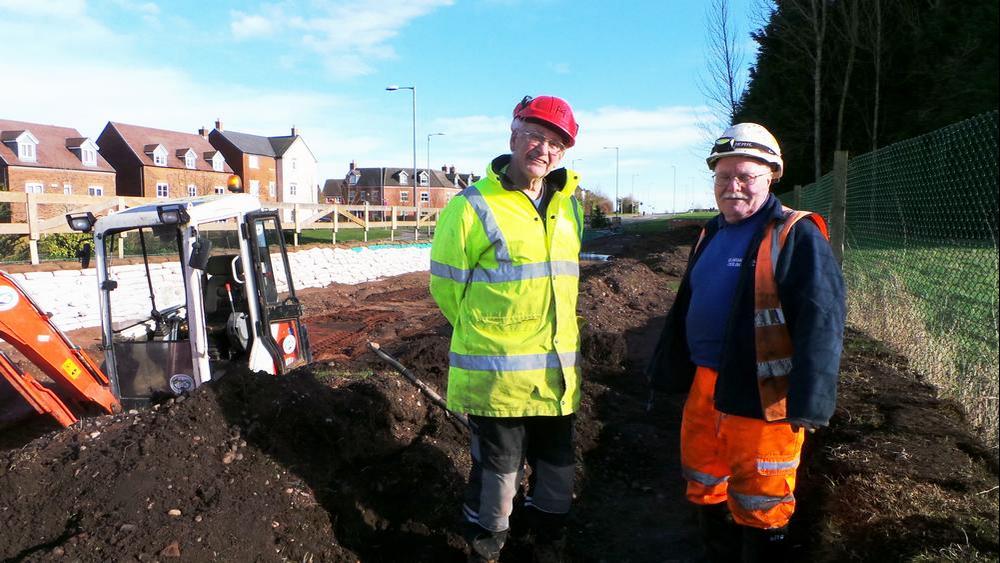
Turning our attention to the field-side of our workings, some of the turves have been used to raise the towpath base, which at this point is well above the height of the field. Care had to be taken here to not impede the many walkers we now have along this area whilst we work in this area. Meanwhile our excavators and dumper trucks have been busy removing soil and buried rubbish such as bits of old timber and metal from the base of the canal and recycling it elsewhere within the site.

March - A mass tree planting
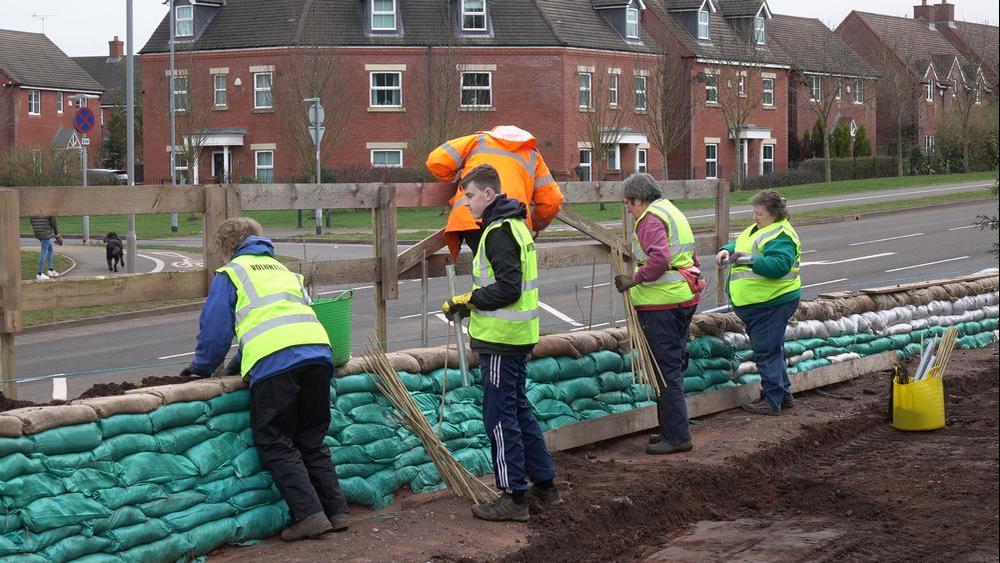
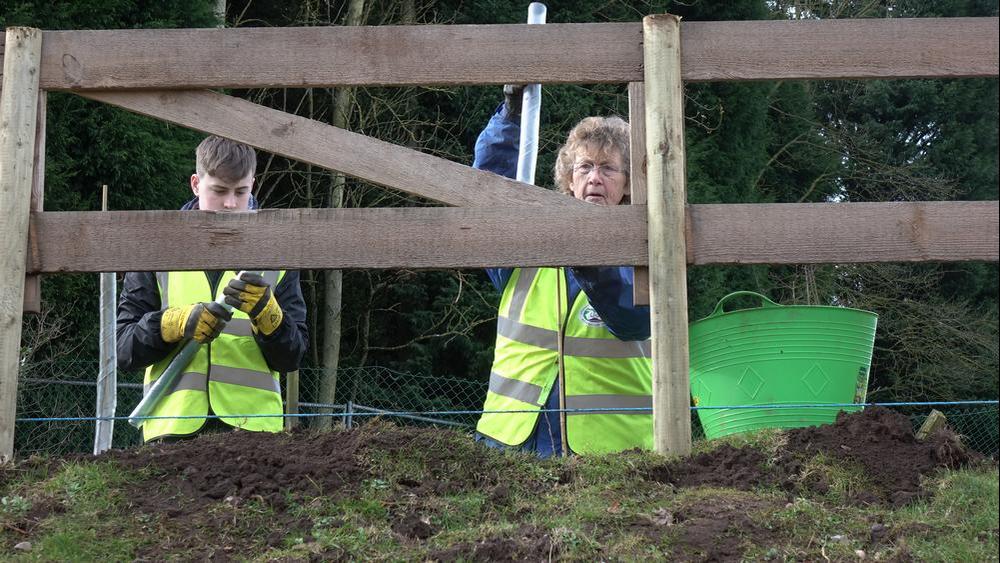
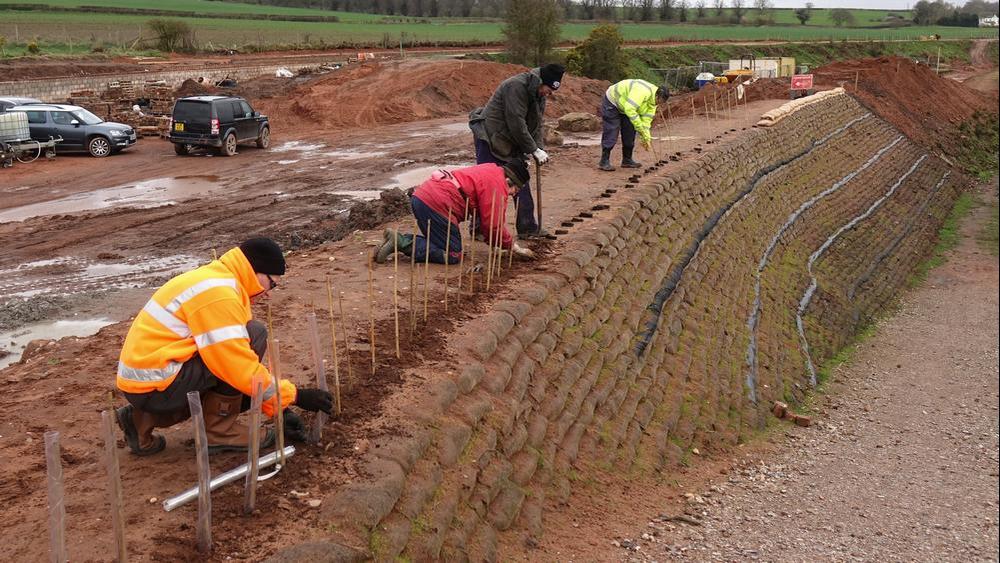
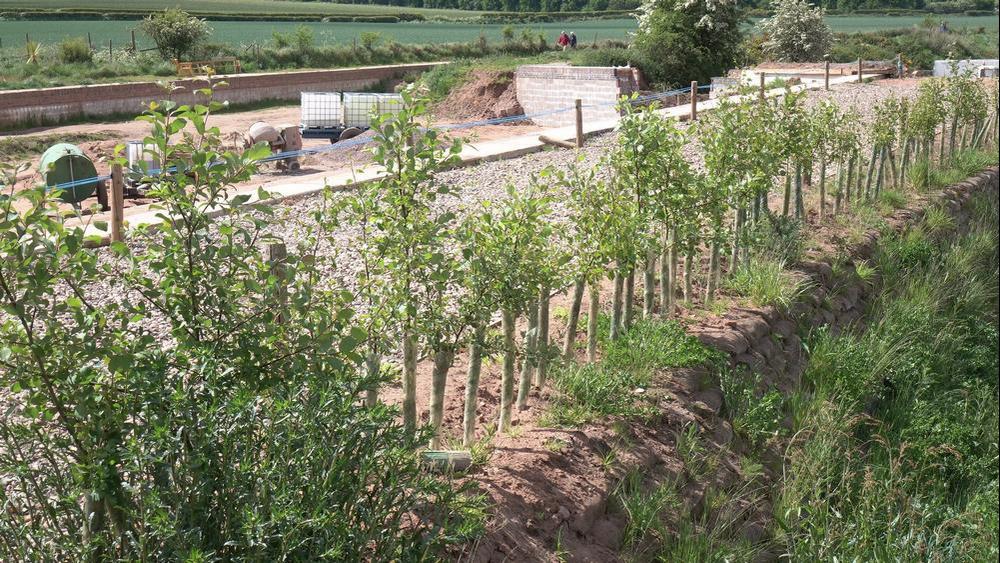
March 7th. Our Green & Grounds Team turned out for another of our mass tree planting days. This happens once or twice a year at fairly short notice when we receive 420 whips, or small saplings, free of charge from the Woodland Trust.
Our association with the Woodland Trust goes back to 2015 when we first applied for an offer of a free tree pack. At that time we were planting near to the Aqueduct, read more on that here. Since then we have received over 2000 tree saplings of various species from the Woodland Trust. LHCRT has also purchased many trees and plants, and others have donated too in support of our aim to improve the environment for wildlife, the community, and to increase bio-diversity.
Several youngsters working towards their Duke of Edinburgh Award helped us 'recycled teenagers'. We were planting a mixture of hawthorn, blackthorn, and hazel, which makes good hedging, as well as rowan, silver birch and a few oak trees. In 2 or 3 years we will should have a good hedge alongside the canal channel at Falkland Road.

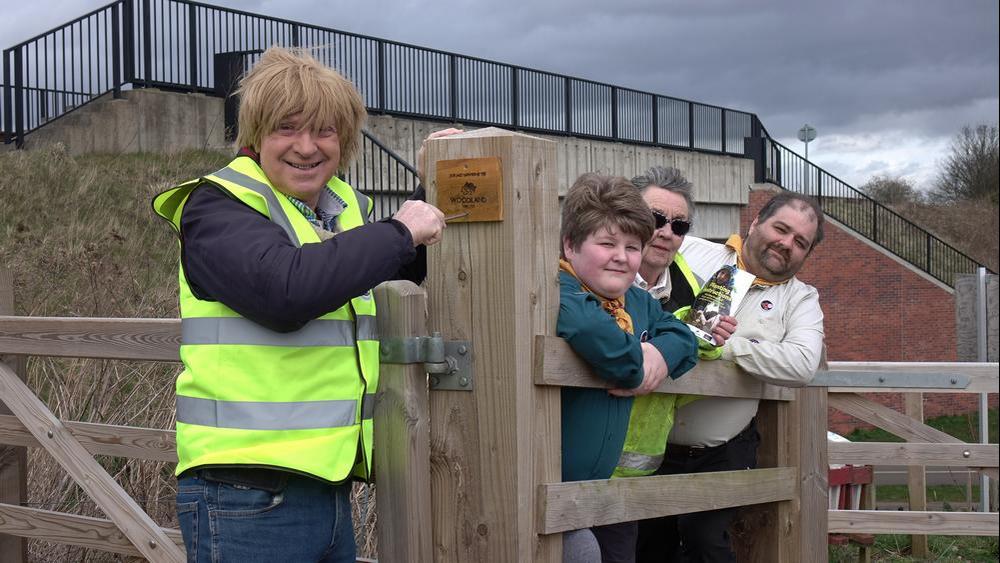
In the afternoon we were visited by Michael Fabricant MP for Lichfield
and a
patron of LHCRT, who helped to plant one of the saplings donated by the
Woodland Trust and also put up a plaque to acknowledge the support we
have received from the Woodland Trust. Six of these plaques were made by
the
7th Lichfield Scout Group and will be fitted at our various sites where
we have planted the saplings.
Michael Fabricant MP had been recently appointed Chairman of the All-party Parliamentary Group for Waterways.
What a difference a year can make...
And then there was lockdown.
24th. March
Following the Prime Minister's address and the strong advice on social distancing and self-isolation in order to minimise the impact of this virus, we sadly took the decision to suspend all work parties until further notice.
These are very trying times for all of us with lockdown and the fears of Covid19. LHCRT Chairperson Chris Bull said "I sincerely hope that all our Members and Volunteers are safe and well. For those of us who are used to being in work parties we are missing our exercise, the sense of achievement and the wonderful camaraderie."

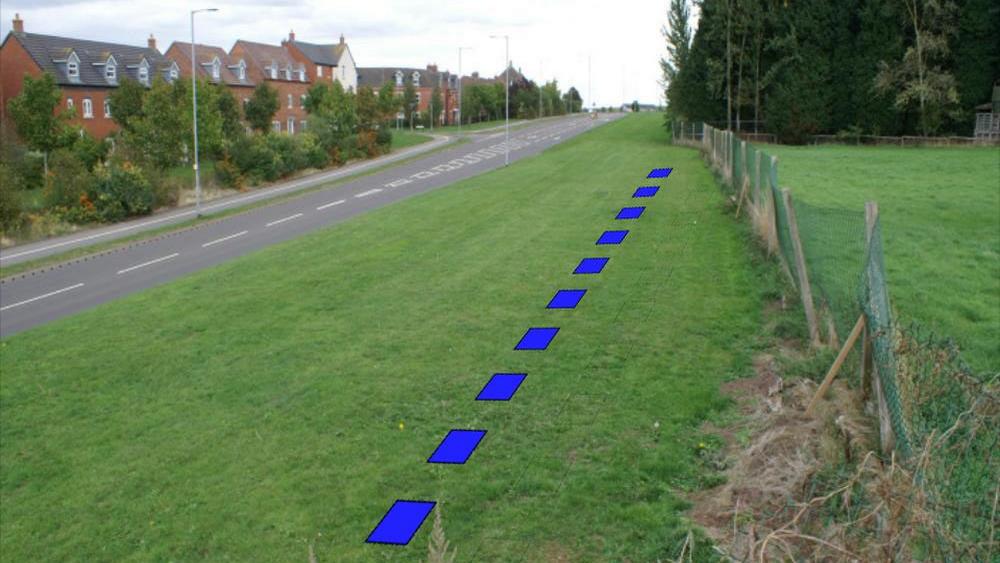
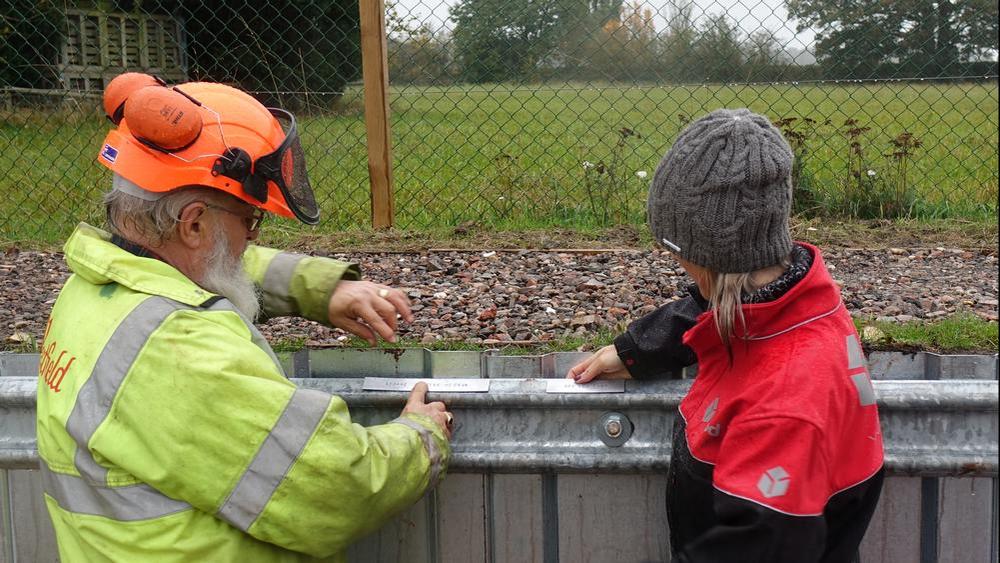
With all of our usual fundraising events cancelled, in April we launched the 2020 Piling Appeal in social media, Cut Both Ways and Towpath Talk magazines. It immediately caught the public attention with a most encouraging number of subscribers. In just one month we had 86 donors who have paid for 186 tags, which with Gift Aid totals almost £6000. A further donation brings the total to over £8700.The first batch of piles has been bought and we hope to start installing them soon. For more information and to donate see our Piling Appeal Page or go straight to our Online Shop.
May - A quiet month?
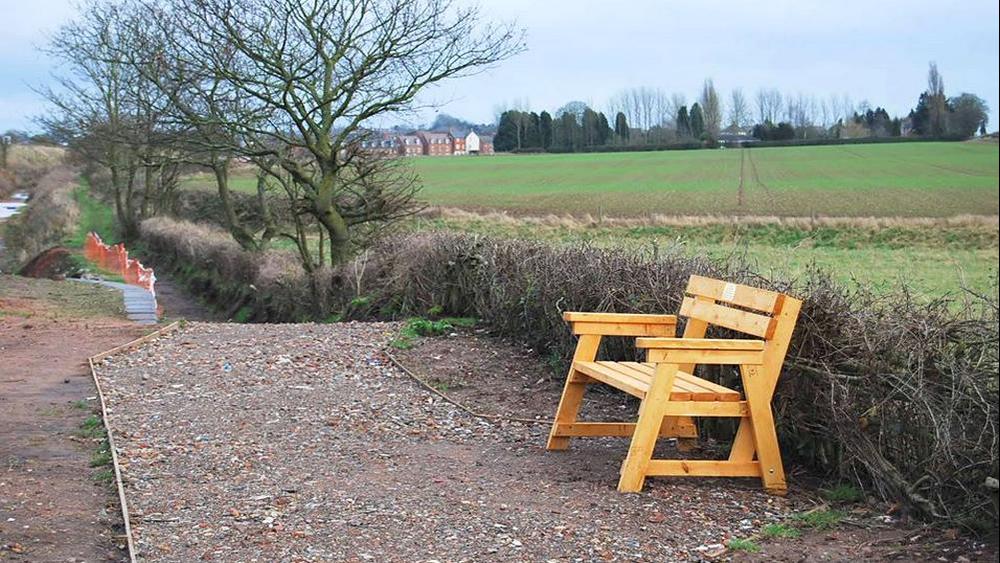
It may be a long time before there are any boats on the Lichfield Canal but meanwhile all the work of our volunteers and supporters has really paid off with the section at Fosseway Heath in particular being enjoyed by walkers and wildlife lovers.
A few years ago it only just about possible to walk along Fosseway Heath. Now thanks to all the hard work it is a safe and very pleasant place to take a stroll, walk the dog, sit awhile and listen to the birdsong - and maintain a social distance.
And we know how much our efforts are appreciated, not just locally but from further afield: "I've just come across your website. What you're doing there is incredible on all levels, from helping young people learning skills for life, to providing walks and green spaces for everyone to enjoy." - Murray

June - Some kind of normal
By the middle of June the path back to some kind of normality had started. After carrying out an indepth risk assessment and following the Government's 'five steps to safer working together', some of our volunteers were able to start back on site. We put in place strict and controlled measures for social distancing and hygiene, to make sure we will be 'Staying COVID-19 Secure in 2020' and beyond.
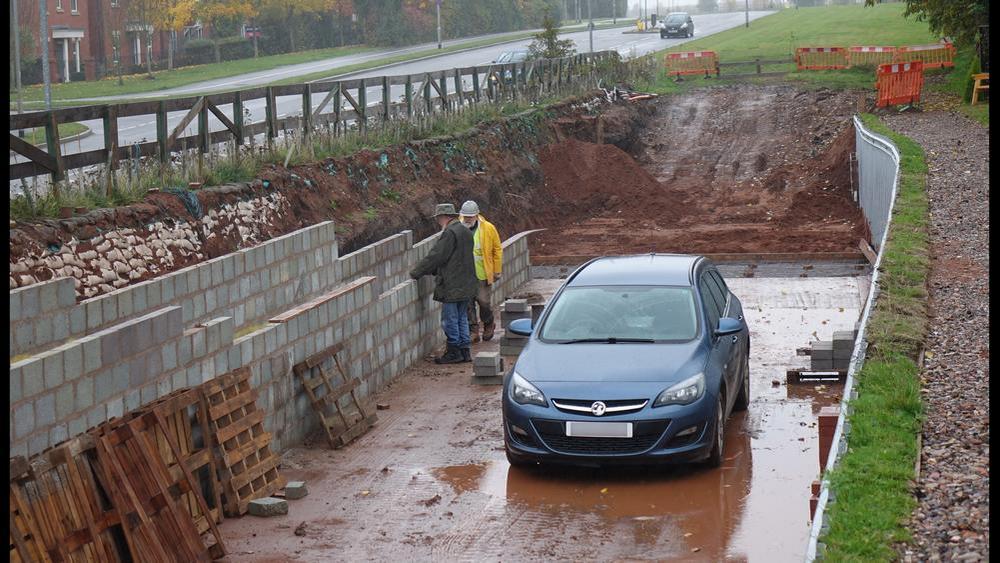
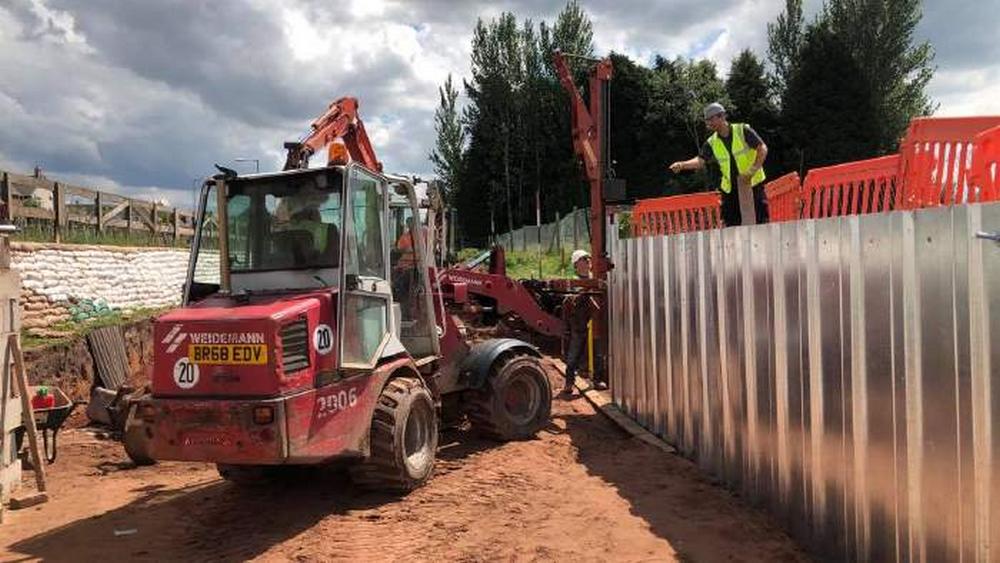
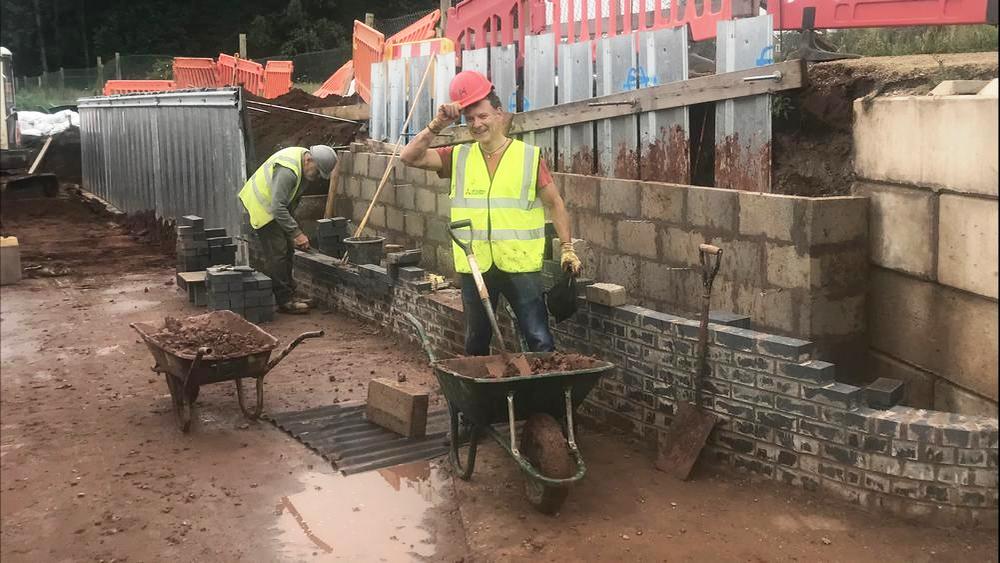
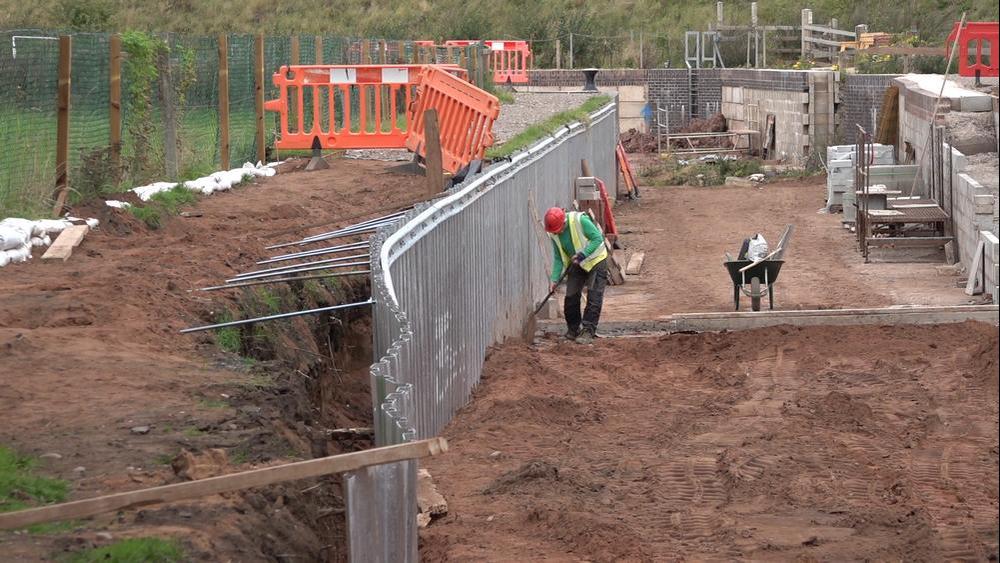
The team started by installing eleven temporary piling sheets, clearing the excess soil and then laying a concrete floor so that the remaining section of retaining wall can be built. Roger and the team have since been storming along with the brickwork.
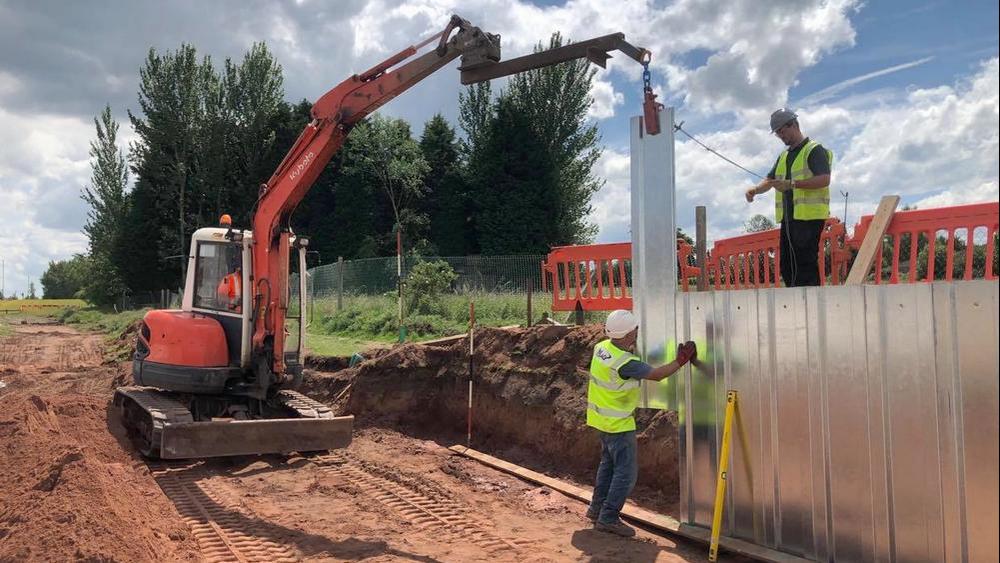
Further on from where Roger and the brickies are working, the team installed twelve metres of permanent sheet piles along the towpath side of the canal. Steel sheet piling is a well-proven, robust, long-term solution to water containment where the bank has to be supported, particularly if there's limited land available.
On one very busy and productive day Michael and Hugh were installing the tie rods and waling beam on the driven piles, following up with a DPM sheet laid down the back face of the Steel sheet piles, and compacting sand backfill up to towpath level. Just along the wall Roger, Adrian and Adam were building up the corner wall section and placing Puddle clay to the rear of the wall.
July / August - Carefully ramping up
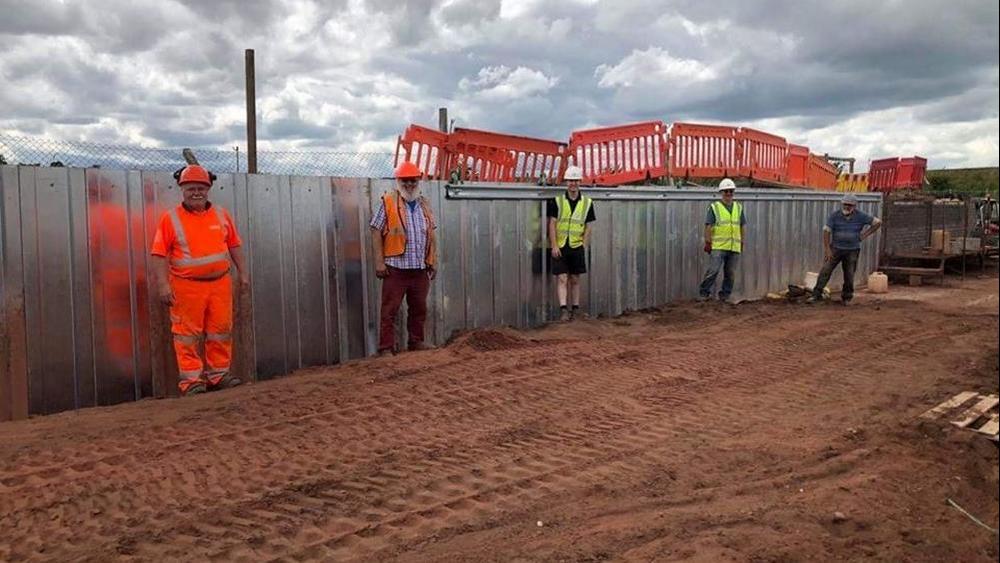
During the Covid 19 lockdown the normal Trust work parties were shut down, with the exception of a small Trust team who have carried out safety inspections and some necessary key and emergency works. The Trust is now carefully reopening work parties but under strict control measures to ensure the site is a safe place to work, to avoid transmission of Covid 19, these measures include written guidance which has been sent to all working volunteers and a Covid 19 Tool Box Talk which has and is being given to all returning volunteers on their return to work. Since the beginning of June 2020 we have carried out Covid 19 Toolbox Talks with 26 of our volunteers returning to Trust work parties.
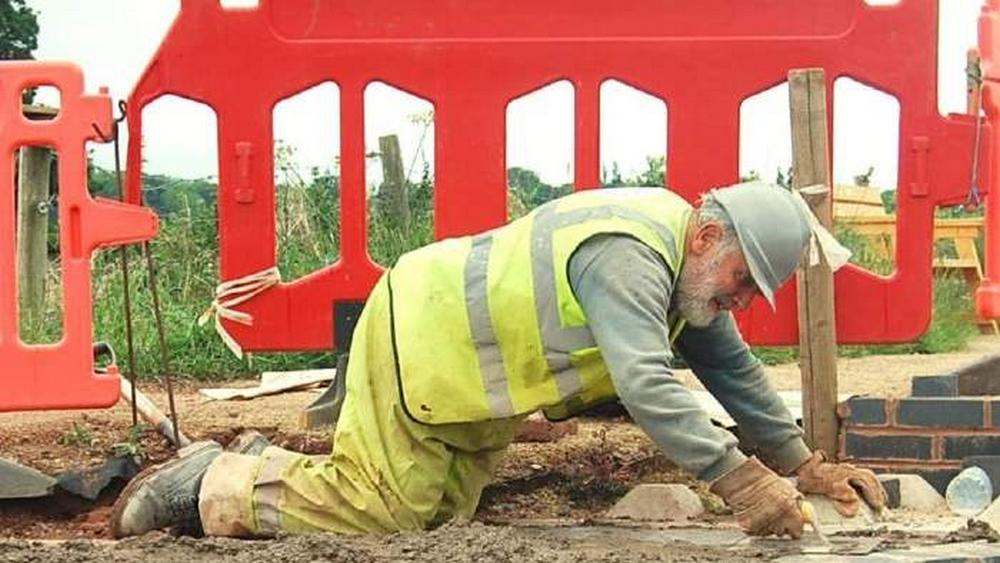
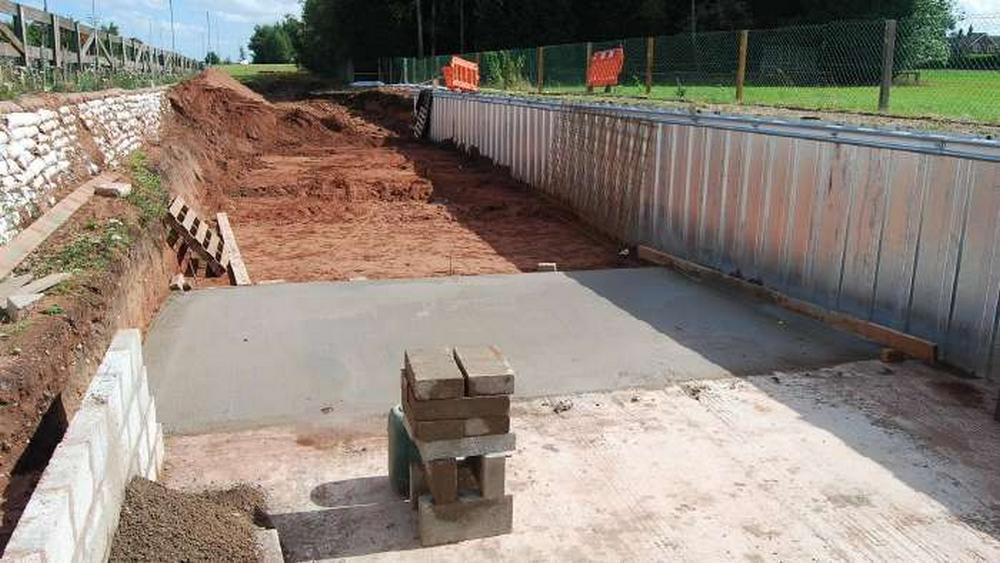
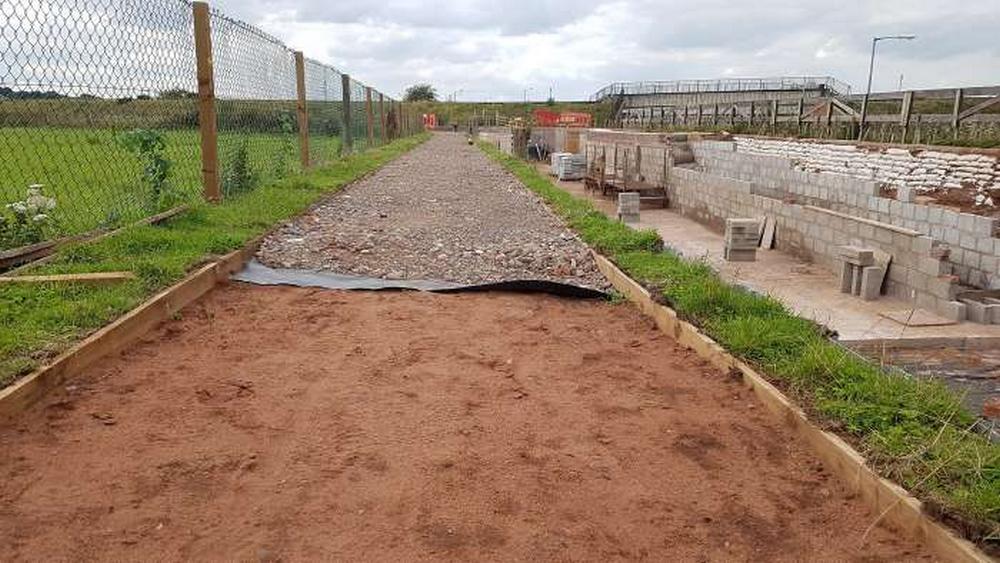
A small number of volunteers continued work on the piling, the wall, and extending the concrete base. The brickwork is stretching out and the new path taking shape. The sandbags are starting to vanish as the wall is backfilled. Due to the pandemic there was no assistance from corporate groups or students this year.
September - Carry on Piling
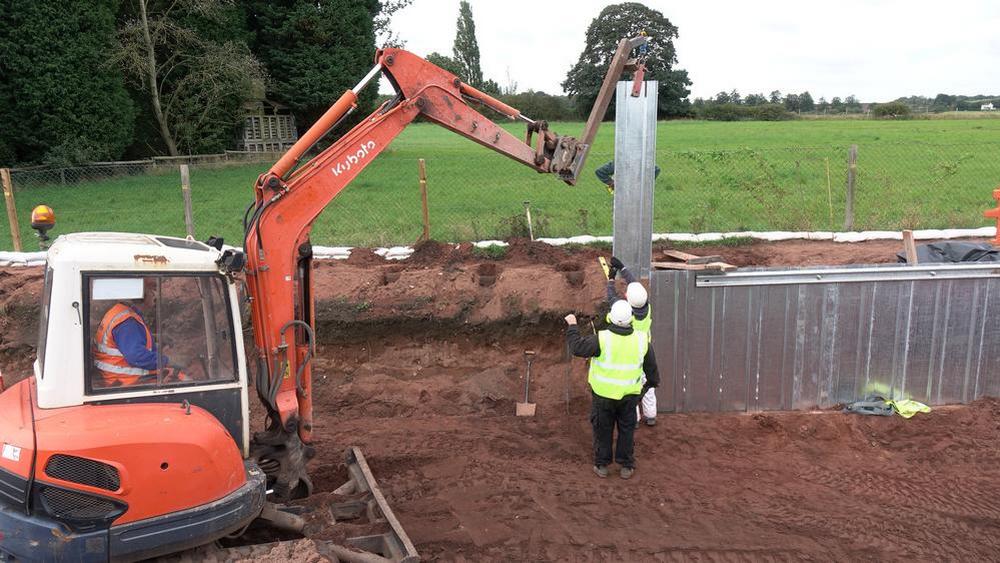
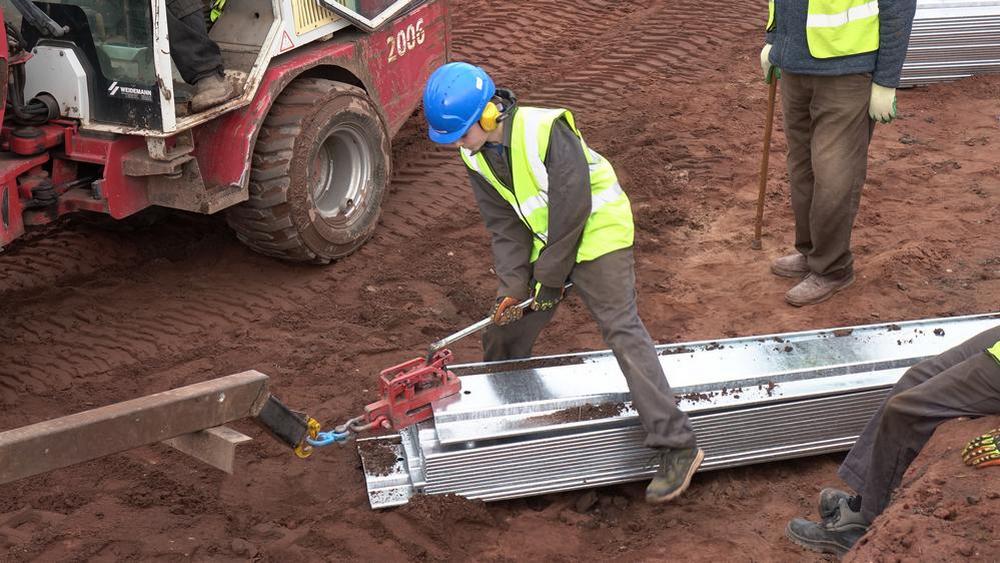
A really productive week at Fosseway. On 5th September the team installed sheet piling up to the end of the fence/start of the wood. The next step was to attach the top rail and retaining tie rods in order to align the tops. This happened during the week, then another slab of concrete was laid.
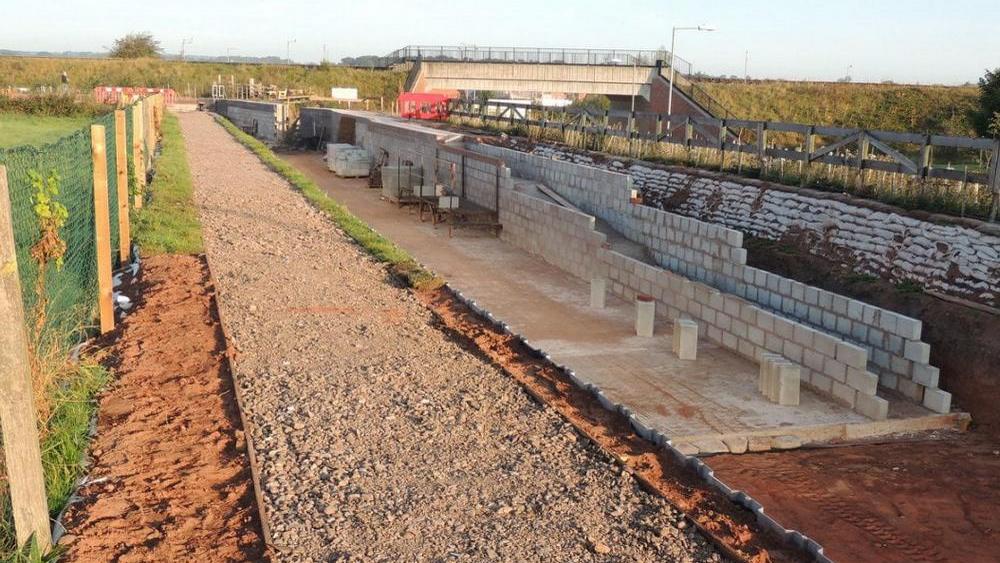
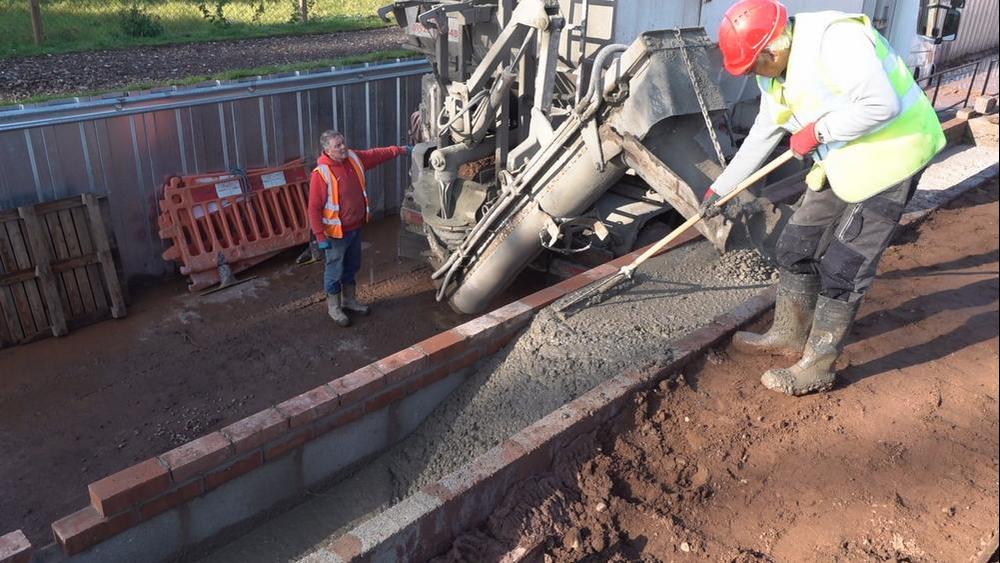
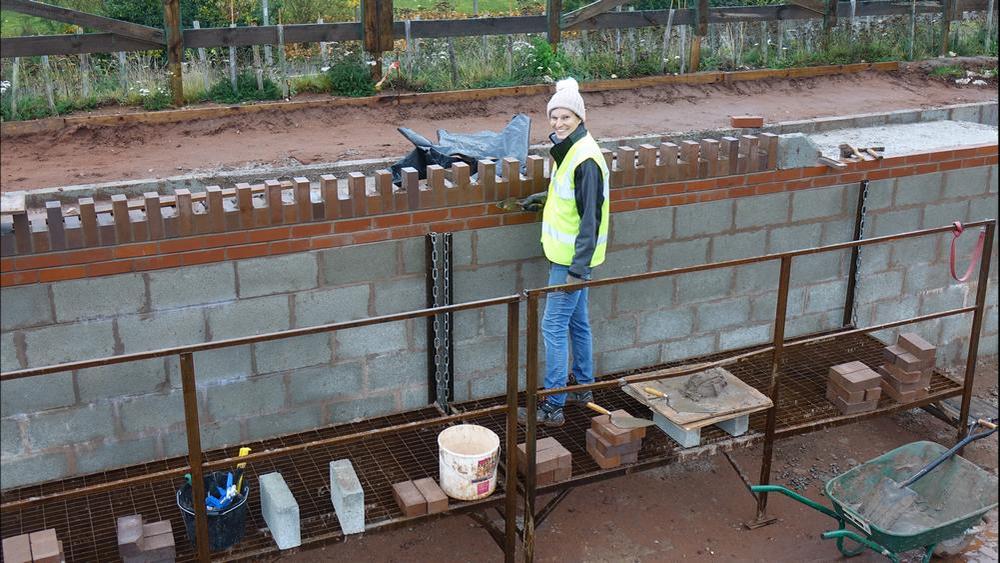
It's not just about the piling; another concrete pad was laid last week and the blockwork marches along the Falkland Road section. The main reason is to provide the foundation to lay the bricks, but it also seals the piling on the other side and forms a hard base for us to drive the plant over.
October - More Piling, Concrete and Clay
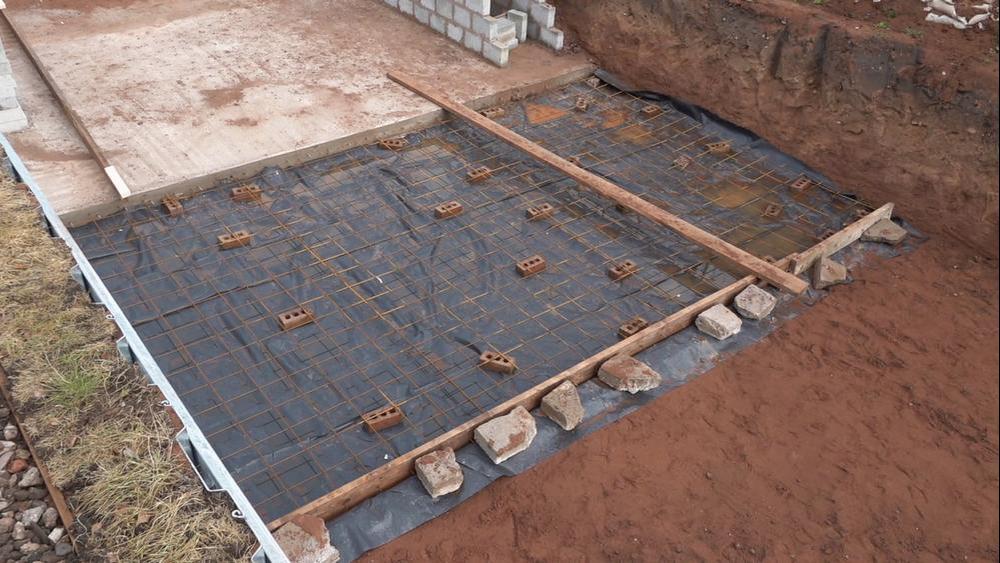
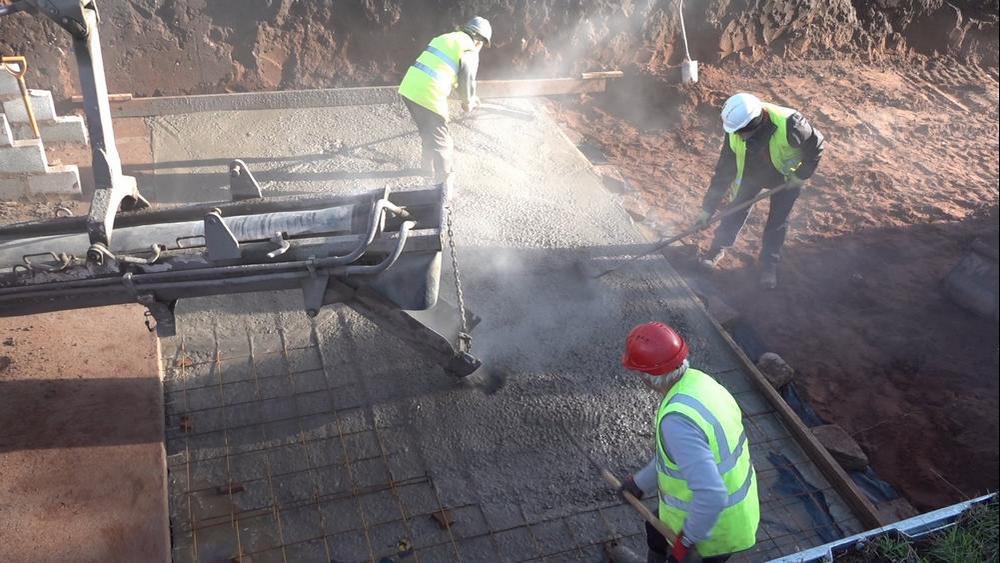
Down at Fosseway our small team of dedicated volunteers have an esablished routine. First, the sheet steel piling is installed. Then a slab base is prepared for concreteing, a new slab is laid roughly once a week. Meanwhile blocks are laid on the previously hardened slab base.
Once the block walls are set the space between them can be filled, but in layers so the weight of concrete doesn't push the walls apart. Clay is rammed down behind the wall to ensure no leaks. Brickwork edging is laid on top then the towpath base put down. And so the cycle continues. A couple more slabs and we will have reached the woods, which is about as far as we can go for the moment.
November - Some good news then Lockdown 2 begins
While many sources of revenue had dried up because of Covid-19 restrictions, the Trust appeal seeking donations in return for an inscribed metal tag permanently attached to the sponsored pile proved to be a great success.
Having successfully applied for a share of DPD's Eco Fund the Trust received a special delivery of £2000. The Trust will attach tags bearing the words DPD Eco Fund to piling on the Falkland Road section.