January 2019 - working almost full time
At least on six days per week maybe even seven some weeks, there are work parties at Fosseway as well as elsewhere. Work being carried out not only by our own volunteer force but by corporate volunteers as well on some days each week. You can add on to this the regular visits by pupils from Queen's Croft School, at least one morning a week, and you can add on the students from South Staffordshire College of trainee brick layers for at least two days, per week. That's a lot of volunteering. The beauty of this is that all the volunteers, be it our own or from elsewhere just get stuck in and work on whatever they are asked to do. Be it burning hedge cuttings, mowing grass, helping with towpath/footpath construction, concrete mixing, brick or block laying, no problem, it just gets done.
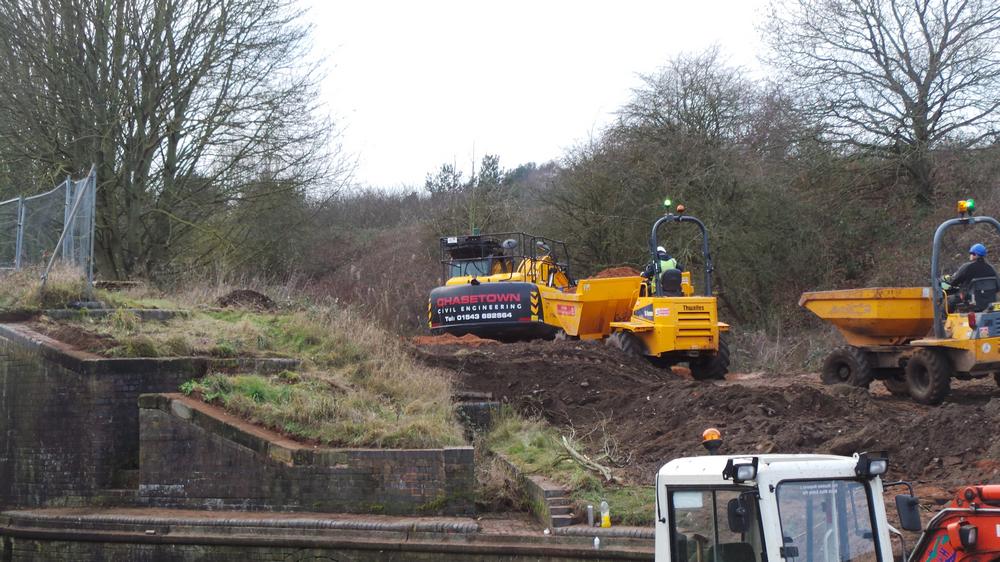
The loan of the excavator from Chasetown Civil Engineering, and the volunteering by our navvies who over the Christmas period made great progress in clearing the canal bed from lock 18 towards Falklands Road. We had the excavator through until January 8th, which enabled us to complete the task by, say, 80% before the digger was returned as was also the 6 tonne dumper truck they lent us. With the two 6 tonne dumper trucks working alongside the excavator, the canal bed was cleared of old concrete, bricks, rubble, soil, metal objects, plastic sheeting etc.. The removed material was disposed of by building the Heritage Footpath higher and infilling lowland between the canal and the railway line.
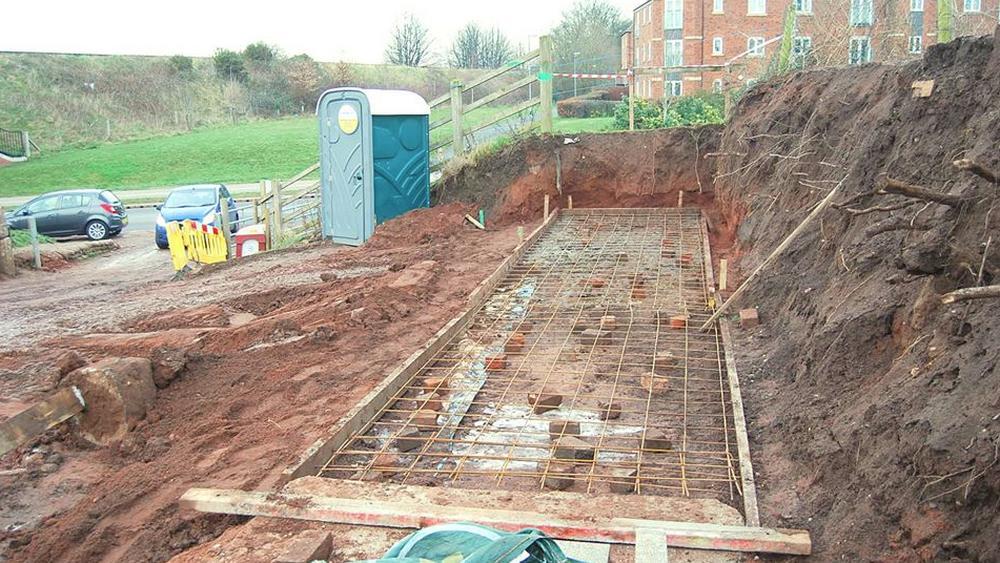
While this was going on, volunteers elswhere continued their tasks at the Falkland Road end of the site. Shuttering, in preparation for a concrete delivery, was prepared, and concrete ordered. Alas the concrete delivery lorry broke down! just into the New Year. Eventually concrete was poured on January 9th. More shuttering for more concrete was prepared. This time when the delivery was due, the weather turned too cold and the delivery was postponed, but only by a day. This almost completed the concrete base towards Falklands Road. For the last small section of concreting we will mix and pour it ourselves. It's up to Roger and the brickies now, boys, to carry out the brickwork.
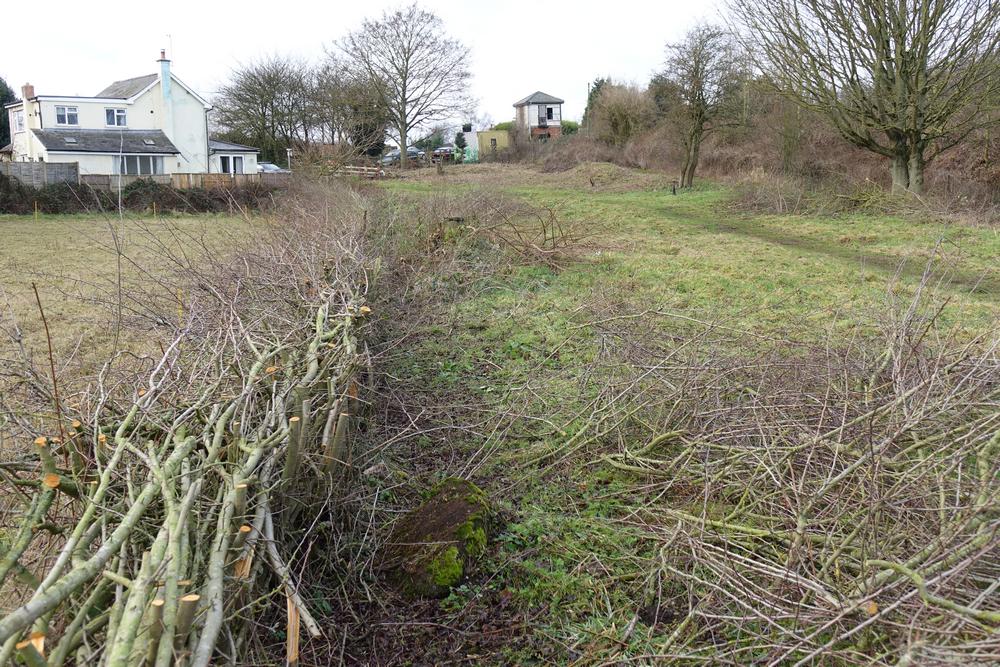
Roger, in his spare time, has done wonders with the field side hedge at lock 18 end of this site. A real good neat job of hedge laying. What a difference it makes. Thanks to resident pyromaniac Chris and Queens Croft School pupils all the brash generated by Roger was soon burnt.
February 2019 - amazing transformation
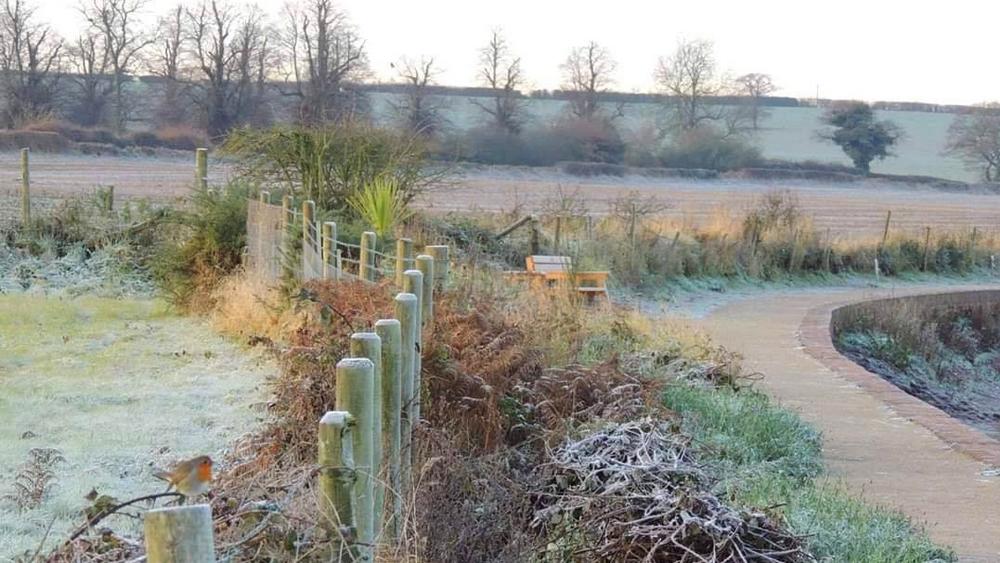
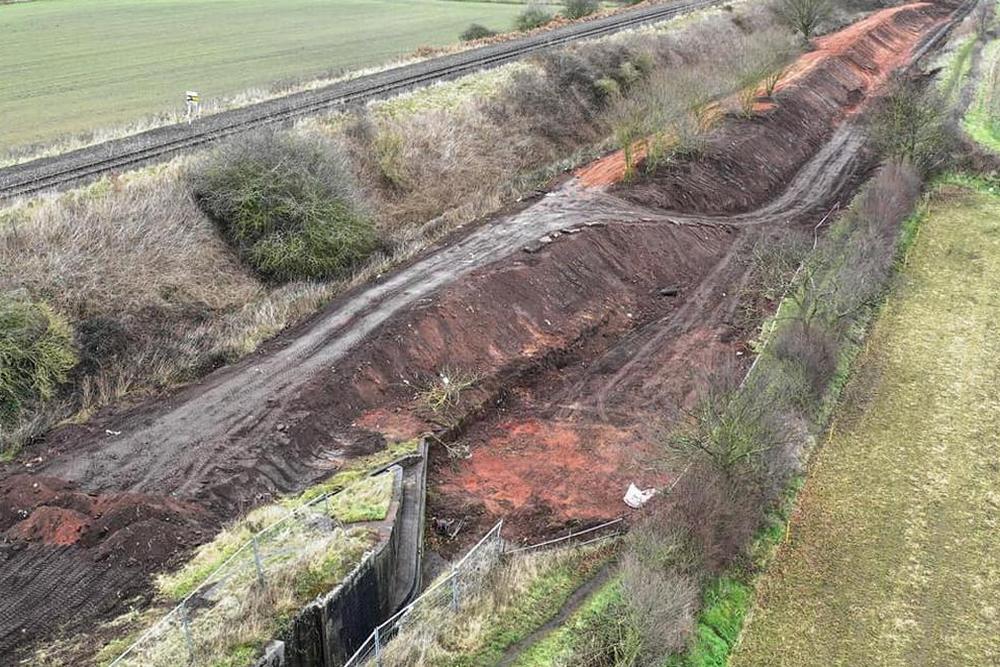
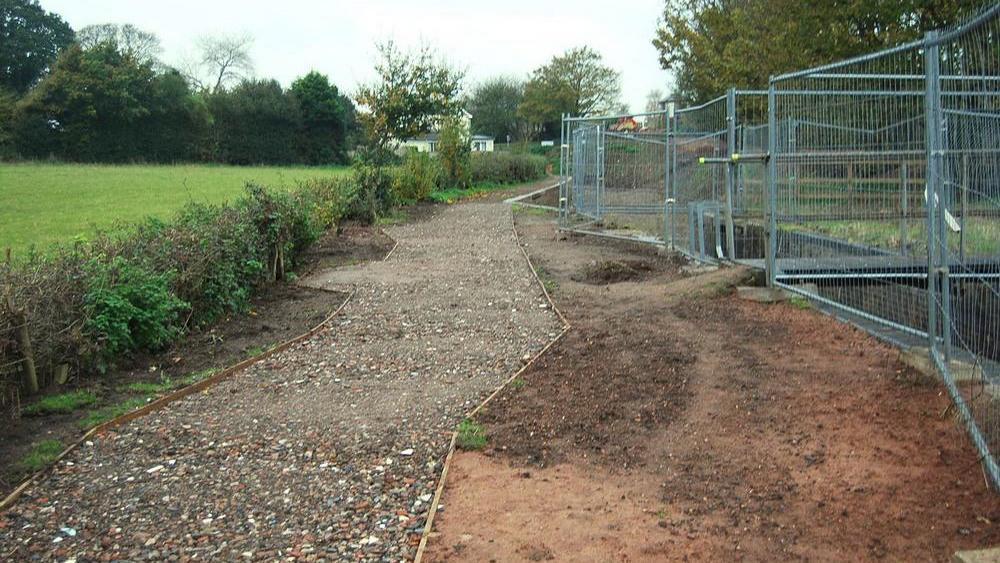
At the Fosseway Lane end of the site, the tranformation from an untidy collection of earth mounds to a recognisable canal bed with a towpath along the South side and a rudimentary nature trail footpath emerging on the North side is amazing. With the heavy plant, on loan from Chasetown Civil Engineering, long since returned, our lads have done a tremendous amount of work with our own excavators and dumper trucks.
Looking to the furure, when the corporate volunteers start appearing again, and they complete this heritage footpath all the way from Falklands Road through to Fosseway Lane it will be some walk! The only bit that may well still be in need of work will be that section from lock 18 to Fosseway Lane, which is scheduled to be worked on by the Wergies later on in the year.
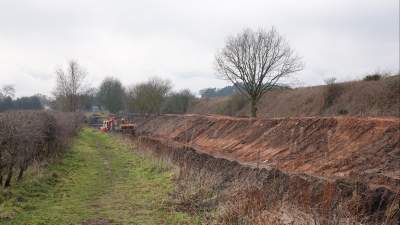
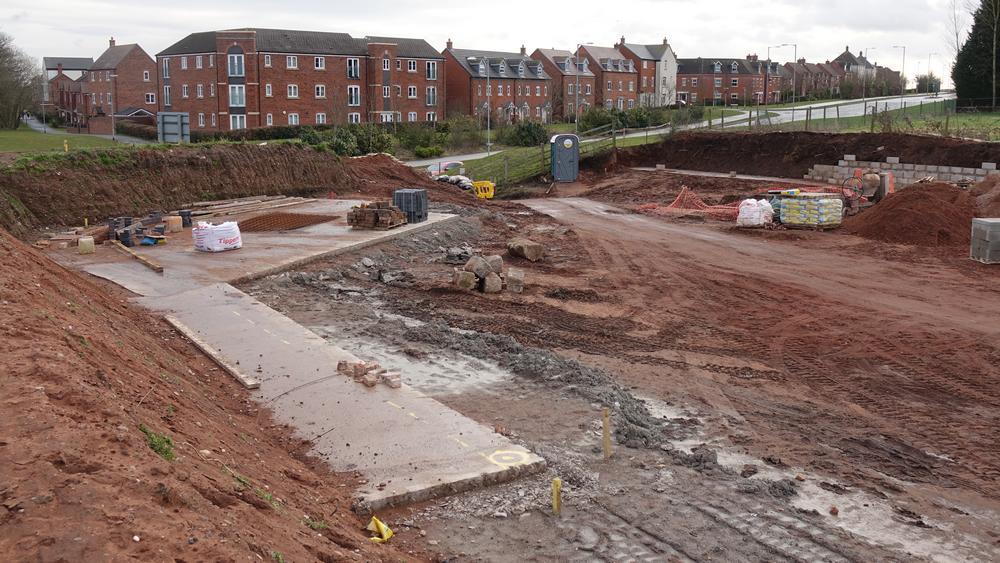
Coming halfway back towards Falklands Road, you will find that we have been carrying out an exercise in the base of the deep pit. There are two facts we needed to establish. Firstly we needed to find out if the sand/ sandstone sub soil is sufficiently stable to allow a steep sided batter along sections of the canal along Falklands drive. From the Fosseway site along towards Claypit Lane the canal progressively gets deeper till it again emerges prior to the new locks before Birmingham Road. Initial studies suggest that there is indeed sufficient stability to enable a steepsided canal embankment. And secondly we wanted to find the water table.
The excavators took a bit of a hammering in trying to get through this soft rock. Unfortunately our 5 tonne digger broke a major casting in the process. The machine was out of action for about two weeks awaiting a new part. Thanks to Steve Webster and his helpers it was soon fixed and is as good as new. To those who donated money to help pay for this repair through Facebook, many thanks, approximately 50 % was donated towards a very expensive repair.
March 2019 - progress every day
So much happened in March that we refer the reader to our Restoration Diary. Here are a few highlights:
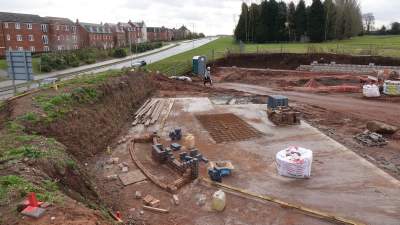
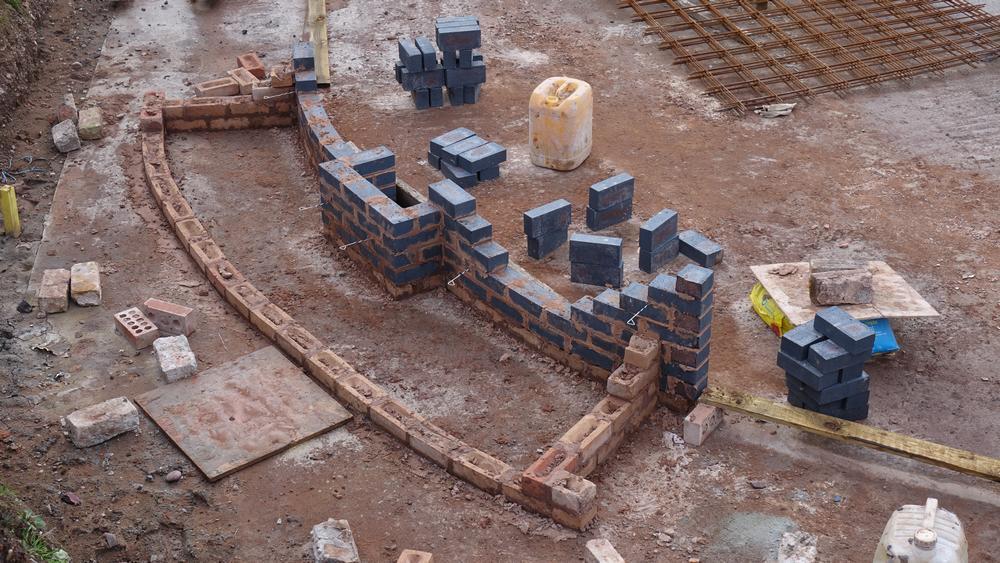
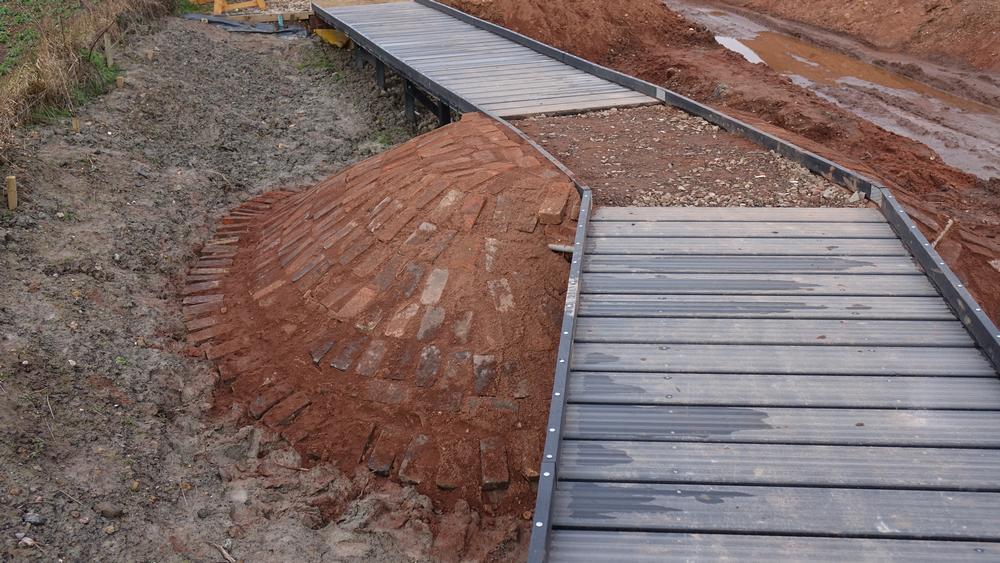
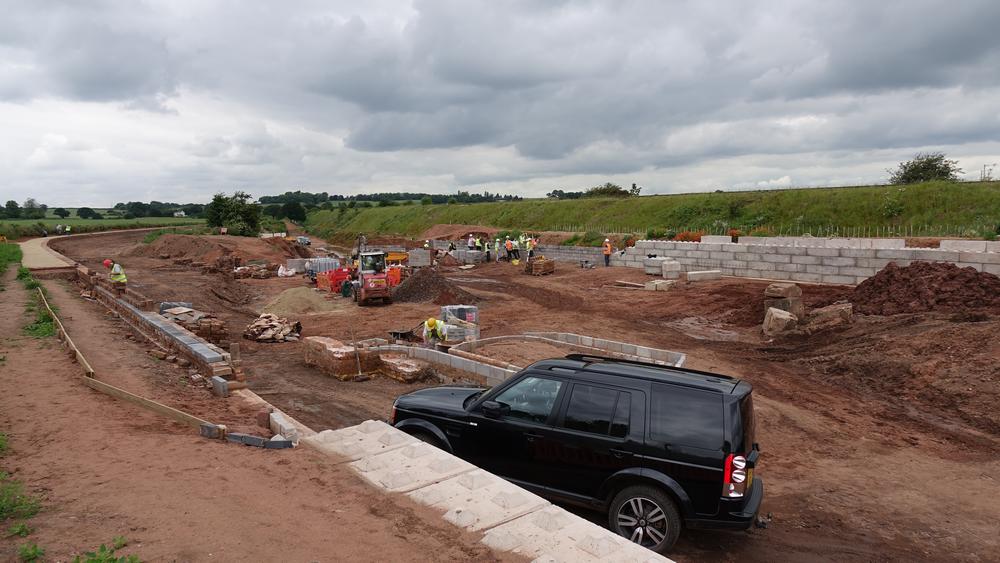
With the help of South Staffordshire College construction students on work experience, we placed the last infill concrete at the Falkland Road end of the south towpath wall. This is a significant milestone achievement as this 350 metres of wall, which includes the new wetland boardwalk section, supports the South Heritage Towpath Trail which now stretches for 800 metres to Fosseway Lane. We currently have 70+ students from different campuses of South Staffordshire College regularly getting hands-on work experience with us.
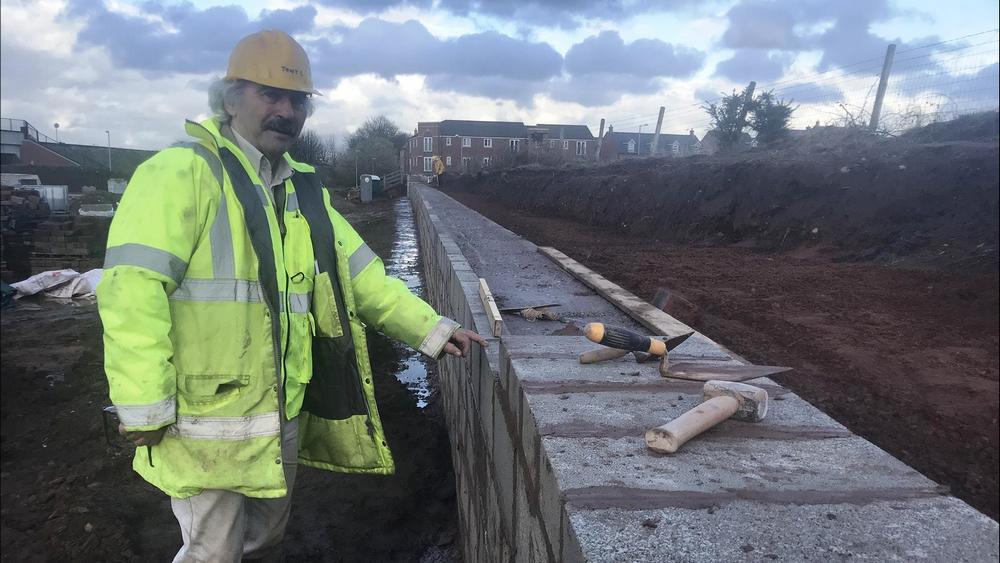
The lads took delivery of a load of concrete which was placed between the blockwork to the south towpath wall. Completion of this pour takes us up to, and releases, the brickwork courses and brickwork coping over a good 50 metre length. Most of our construction plant was in action today on trimming and reforming the batter slopes to the canal channel beyond “the steps” and a great job was done in the rain.
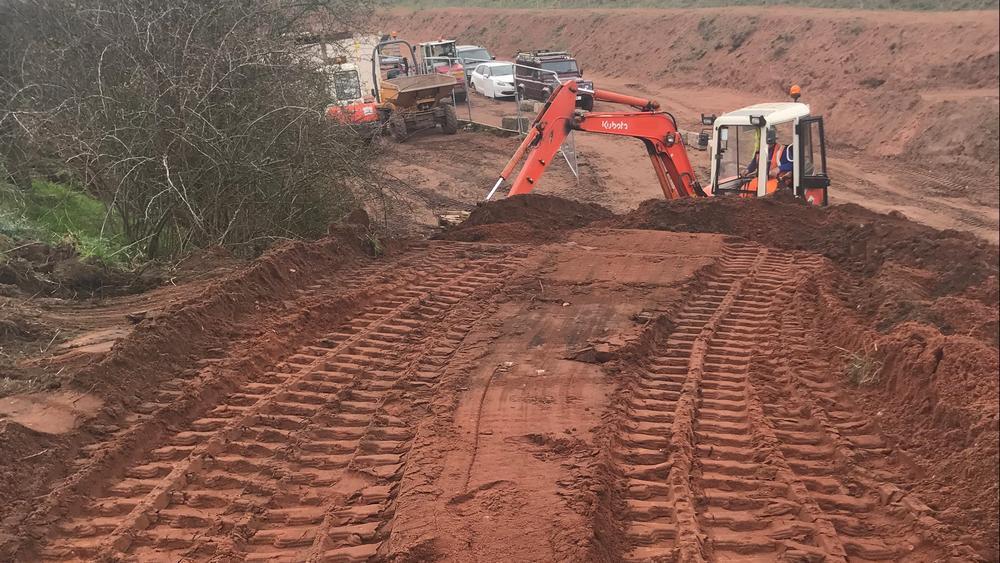
Adrian was on the Trust 5 tonne excavator moving sand to form an access ramp from the main Falkland Road old lock 19 basin over the towpath wall for future material movements.
The Green and Grounds Team were out too helping to prepare for the seeding of the path verges, batter slopes and new lowland heathland areas we have created as part of the canal restoration. The seed we are using is a special grass mix for acid soils and contains 20% wildflower seeds to support bees, butterflies and other pollinators for a rich heathland habitat.
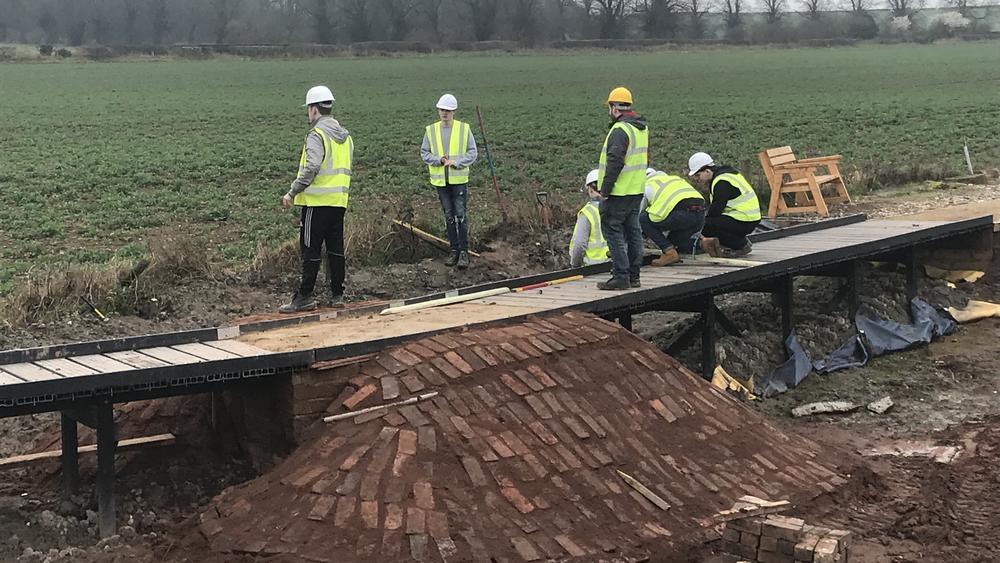
A dozen students from Queens Croft School were on site today as part of their regular weekly attendance to volunteer and gain work experience on the Lichfield Canal.
Meanwhile a dozen of our own regular volunteers (aged between 16 and 80+) attended at Fosseway to work on
1. trimming the canal channel below Lock 18
2. placing and compacting stone on the new south Heritage
Towpath
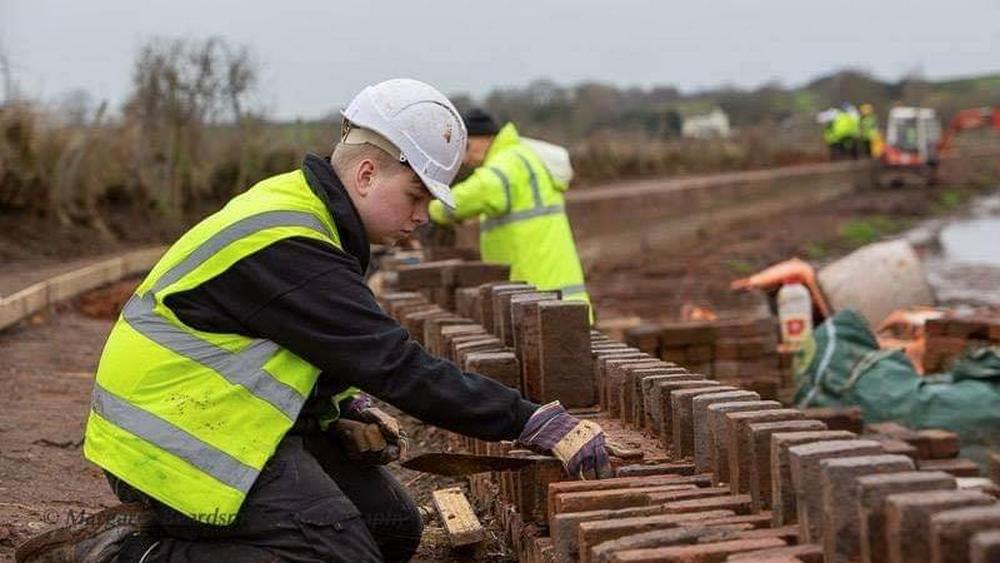
3. bricklaying to the new south Heritage Towpath capping
4. setting out for new hedgerows to be planted in the Spring
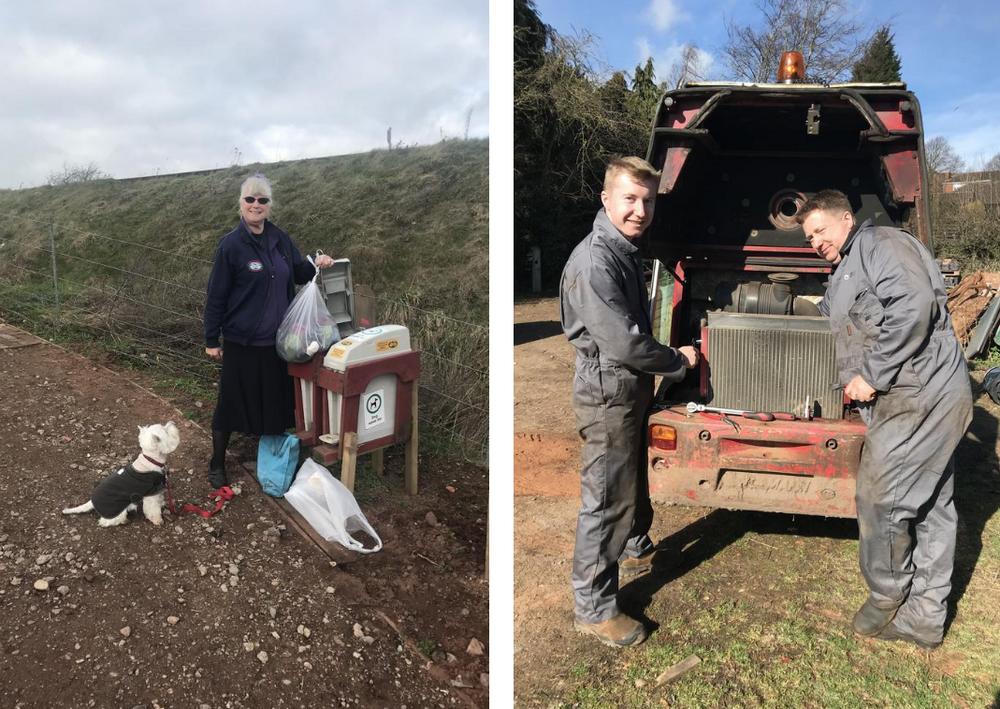
We caught Jeanne who acts as our “lengths-person” and normally walks the towpath to check for hazards and clear up the mess and litter some of our less considerate visitors leave behind them. Today she was emptying the Dog Bins which the Trust provides and services for our regular visitors to the canal. We get no help from our local authority in supplying this service.
Our plant maintenance team lead by Steve were checking over, servicing and repairing equipment where
necessary. Harry has been helping Steve as his apprentice for some
months now and is a key member of the plant maintenance team. Harry
has been with the Trust for over 4 years and today was his last day
until the Summer as he is concentrating on his studies for the next few
weeks, and is planning to go to University in the Autumn to study
Mechanical Engineering.
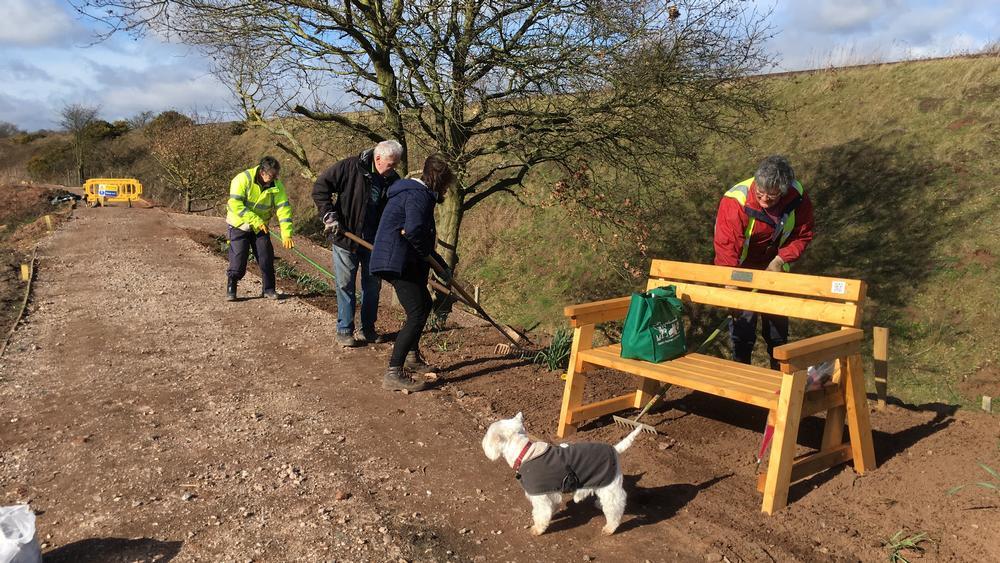
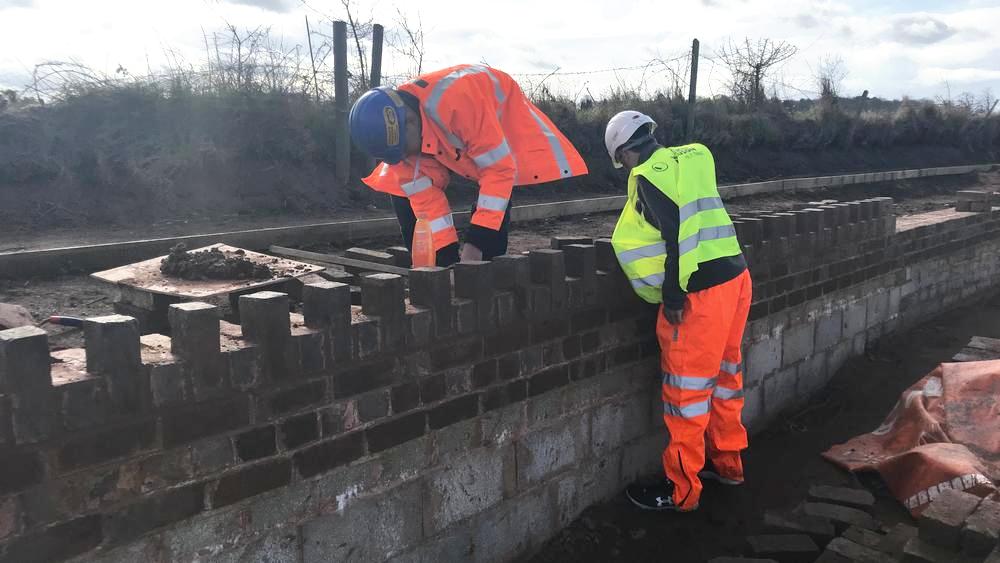
April - time to relax? Not a bit of it.
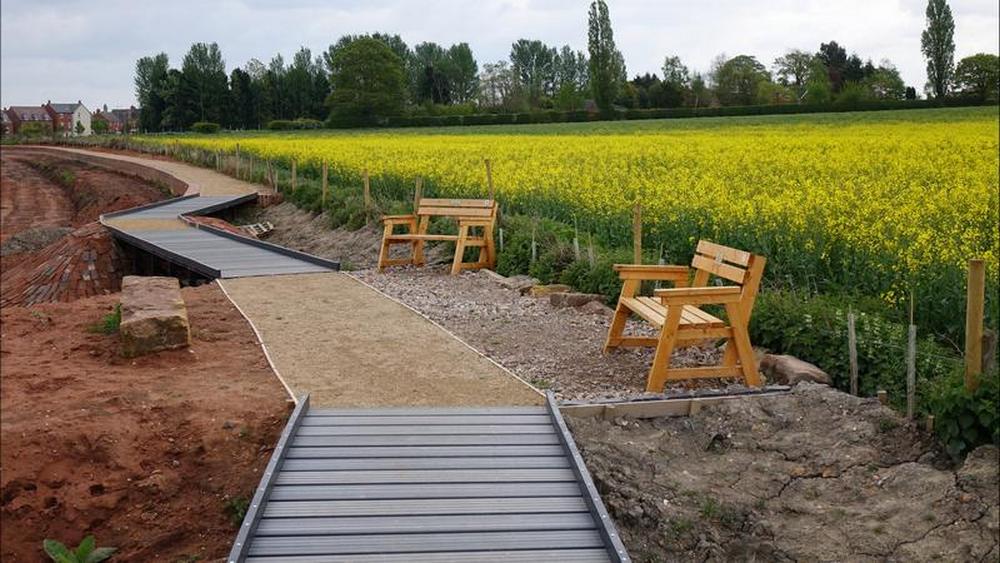
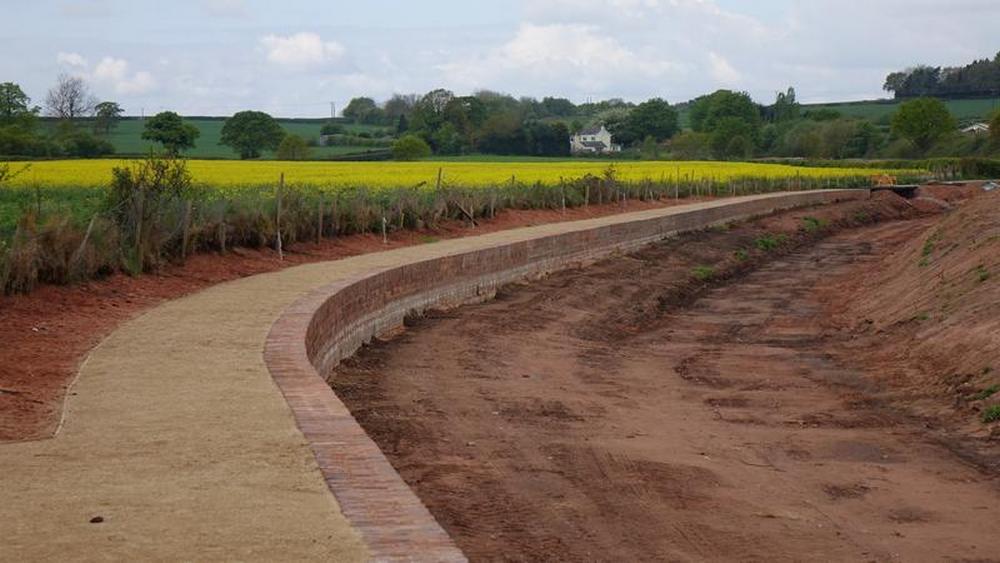
May - the walls rise up
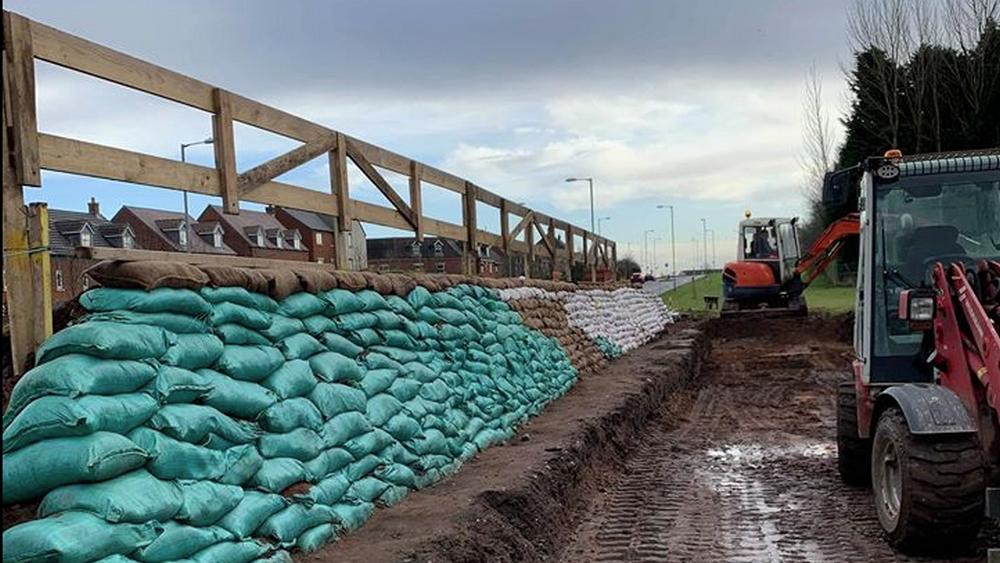
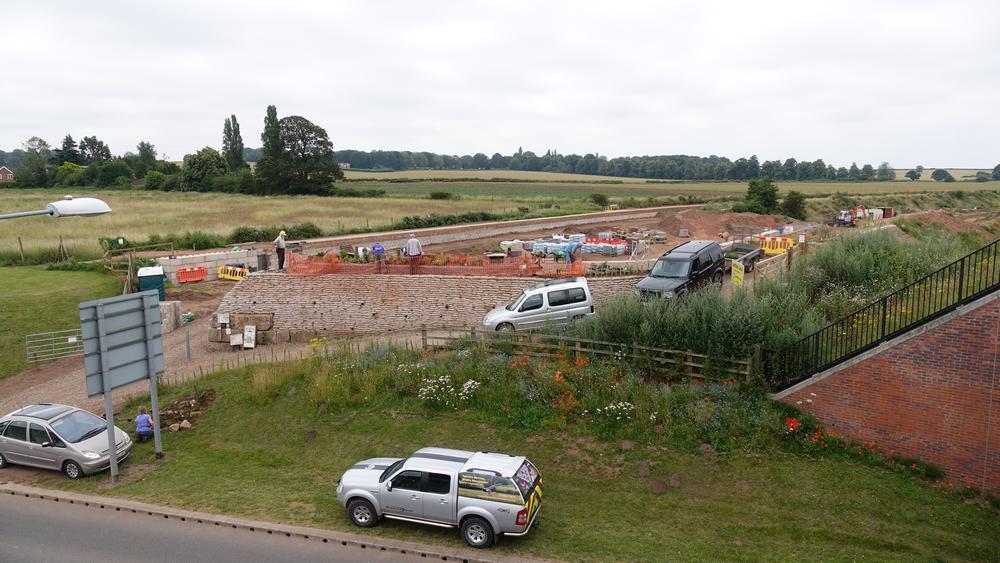
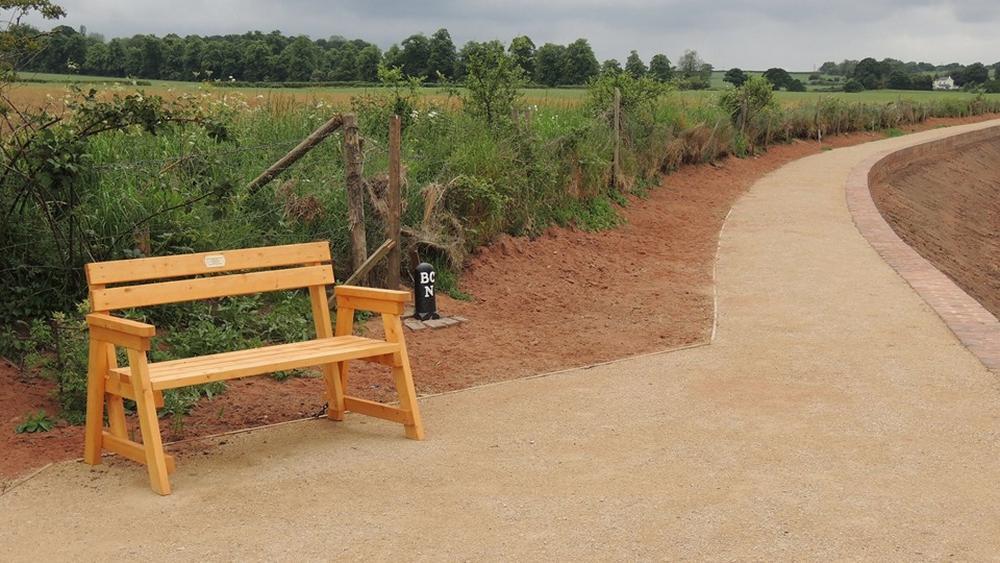
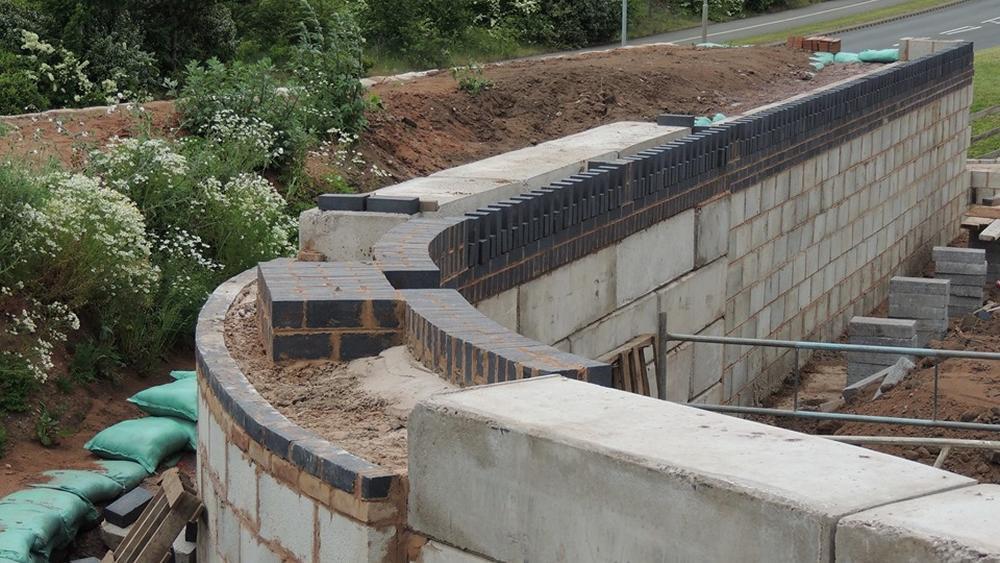
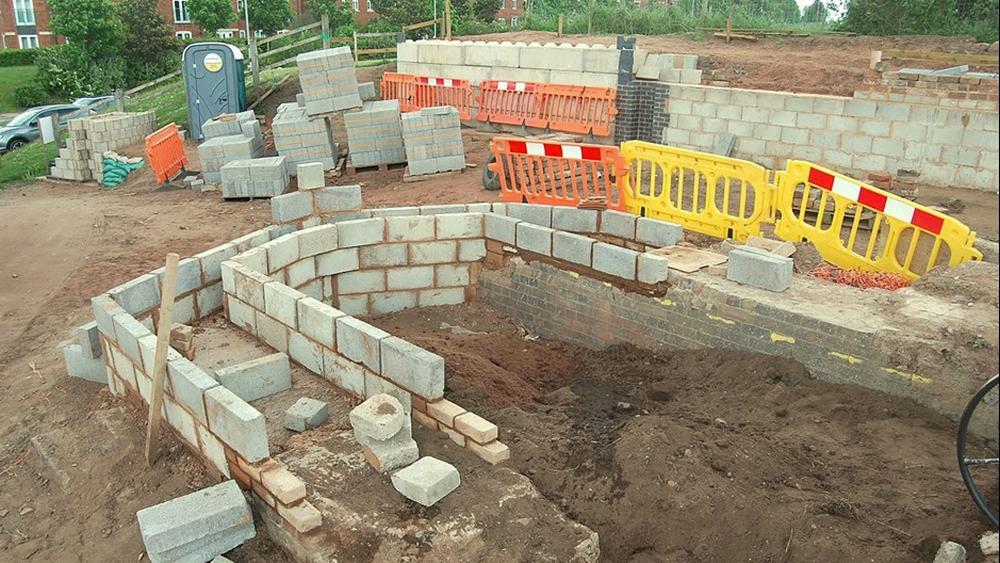
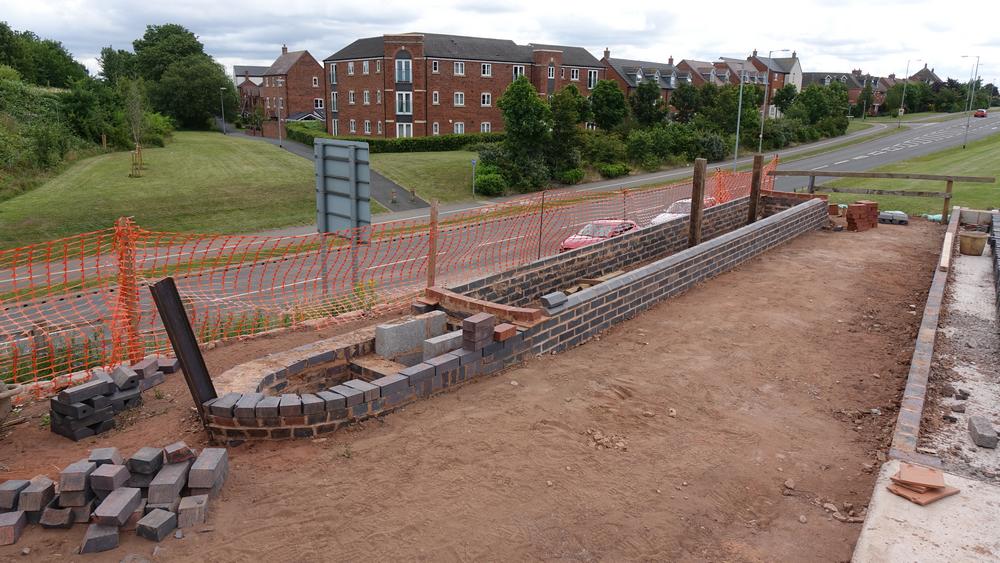
The Southern towpath wall has progressed well, within the turning pound. A few more weeks should see it's completion The walls around the turning pound are also progressing well. That which runs alongside Falklands Road is now up to full height. We have some clay to back fill in between the concrete block wall and the sand bags. Top soil will be used to complete this part of the Pound's encircling wall. This length of wall will soon be ready for the half scale narrow boat to be constructed along it's top. The wall parallel to the disused railway line, and the enclosing wall to the west of the pound, have their concrete foundations poured.
The brick laying students from Walsall College are to build the concrete block sandwich wall and fill it with concrete they themselves will mix. Again, as this wall gains height it will be back filled with sandbags, clay and sand/soil. A substantial footpath along the top of this mound will have been provided. This footpath will join up with the footpath along the Northern bank of the original canal bed eventually. Good work in the original canal bed can be seen. The full length from Fosseway Lane through to Falklands Road is now profiled to its final shape.
June - Judgement Day
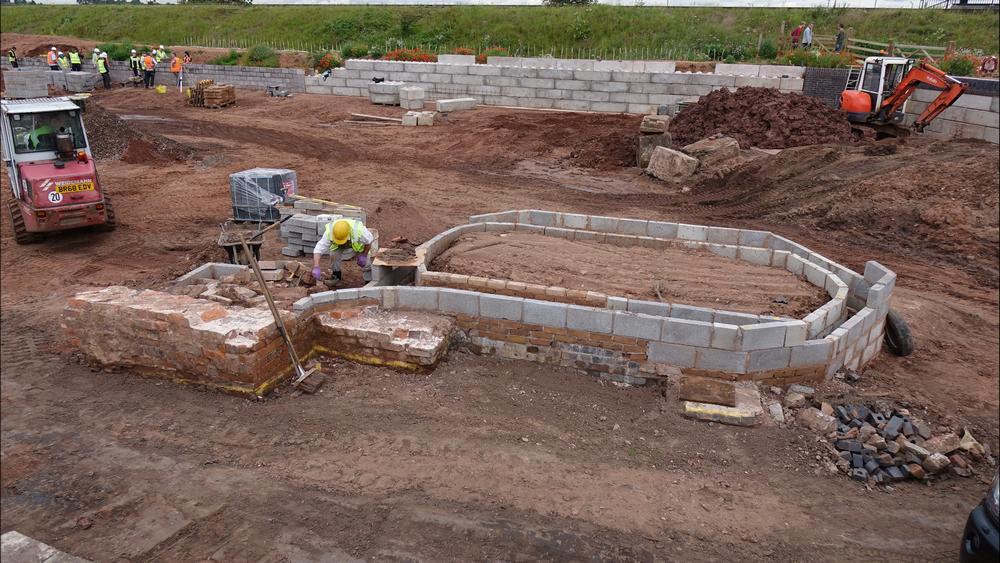
On June 18th we were being judged for the Canal & River Trust Living Waterways Award. Peter met the adjudicators and escorted them around Fosseway Heath Nature Reserve and Wetlands where in addition to our own volunteers, other groups included Walsall College and South Staffordshire College students and lecturers, Queens Croft school, a fist-time corporate group from Dimension Data were puddling clay and filling sandbags, the green team were maintaining the towpath, and there were representatives of the Scouts and Chasetown Civil Engineering.
Engineering Director Peter Buck said "Thank you to all the 50 (yes 50 !) volunteers, friends and sponsors who turned out today at Fosseway to volunteer and make the Lichfield Canal a reality. In addition it was great to see many of the regular users with dogs making use of this section of the Heritage Towpath Trail.
We were subsequently judged best in The Learning and Skills category READ MORE


July - The Fosseway Queen is launched
The ‘Oss and the narrowboat
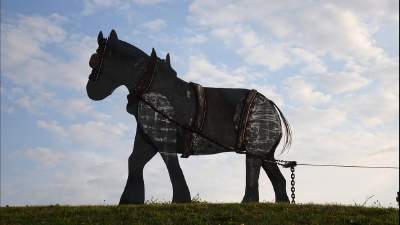
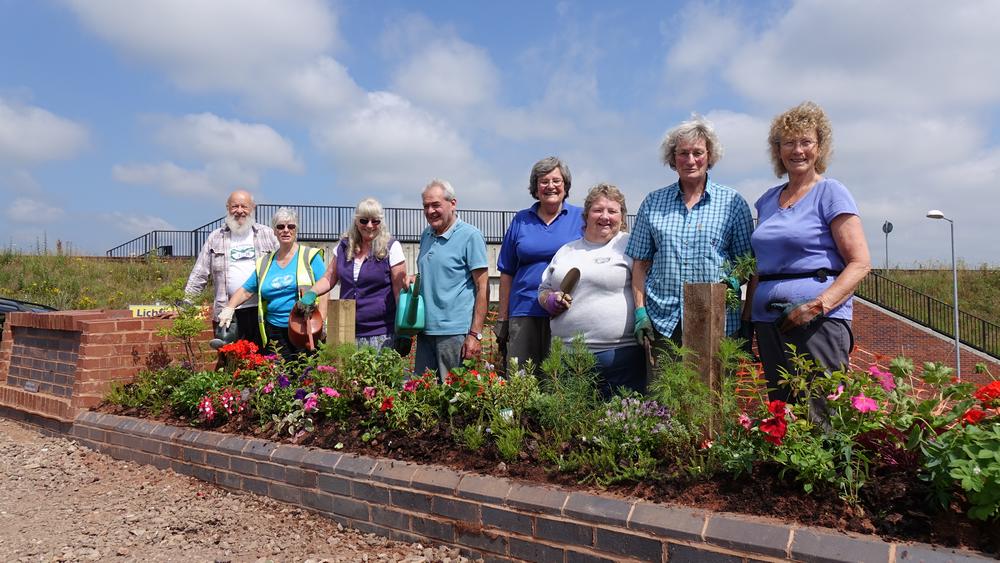
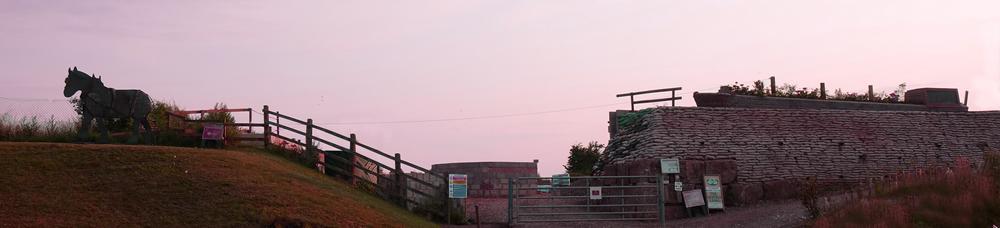
As the Trust’s contribution to Lichfield in Bloom, for which judging was on Wednesday, 17 July, the multi talented volunteers designed and created a half scale brick narrow boat seemingly towed by a steel plate horse: They are changing the skyline at the entry to Fosseway Heath Nature Reserve and Wetlands at Falkland Road. The boat is bedecked with colourful flowers and heathers and the ambitious project was completed as darkness fell on 16 July.
Lichfield was awarded Gold for the third time running. READ MORE.
The 1/2 scale narrowboat Fosseway Queen and the 'hoss was designed and built by Peter Buck with steelwork by Steve Webster and brickwork by Rick Walters assisted by various helpers. The name 'Fosseway Queen' is a nod to our recent Queen's Award for Voluntary Service. READ MORE
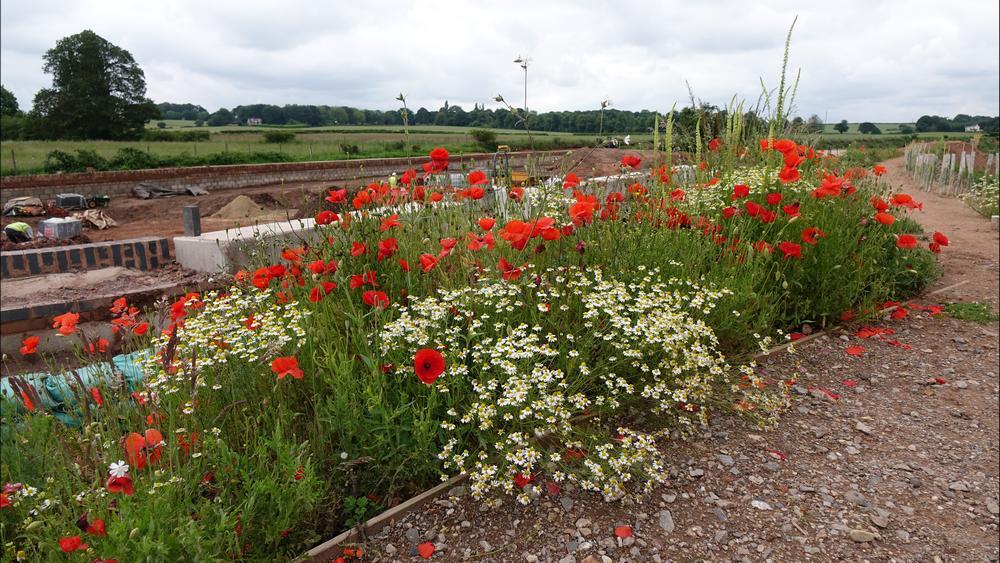
In July Christine Monks, one of the visiting WRGIE's, wrote a report on the wildlife to be found at Fosseway. Read the report here

August - back to Lock 18
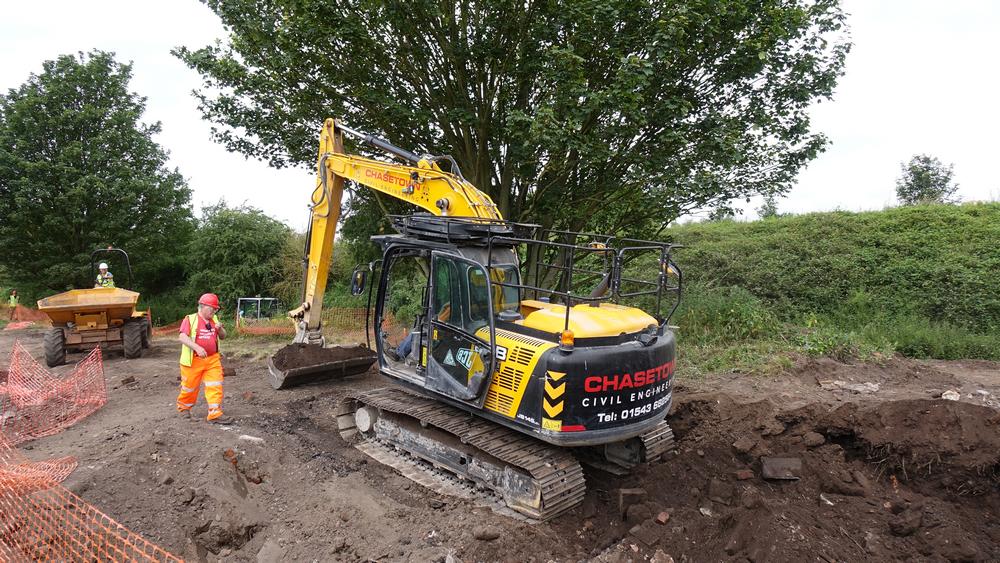
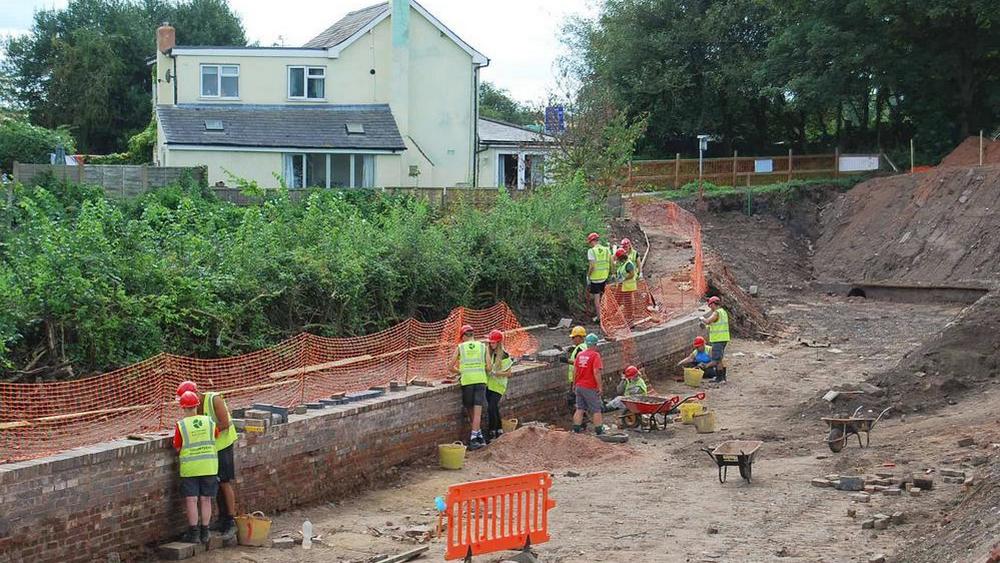
Following on from the excavation of the canal and towpath repairs to Pound 18 between Lock 18 and Fosseway Lane Bridge by WRG volunteers with the help of plant and equipment generously donated by Wacker Neuson, our own volunteers have continued the restoration work in this section of the Lichfield Canal.
Below Lock 18 the Canal basin has been cleared with an excavator kindly loaned to the Trust by Chasetown Civil Engineering and the new Nature Trail on the off side has now been landscaped and opened for the community to use.
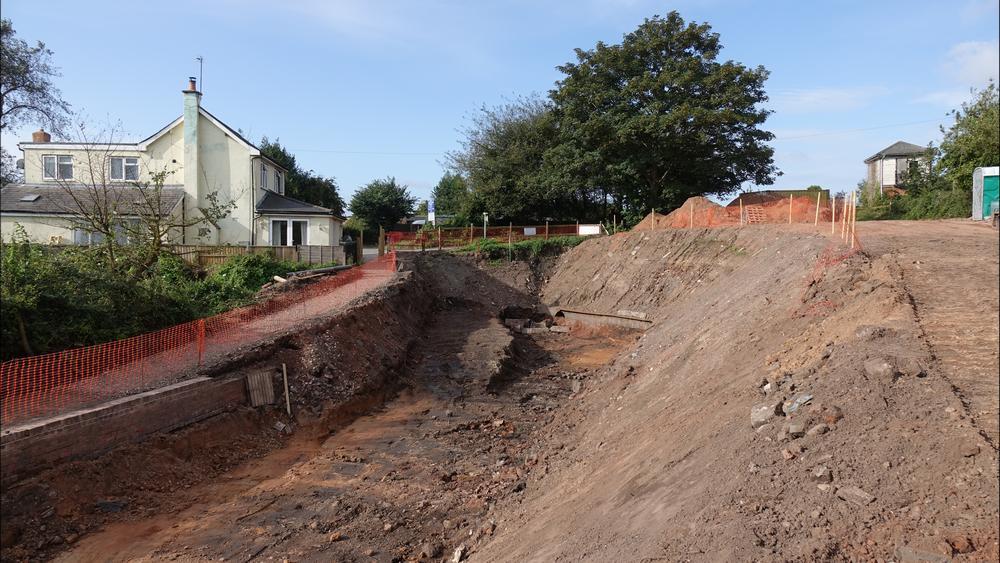
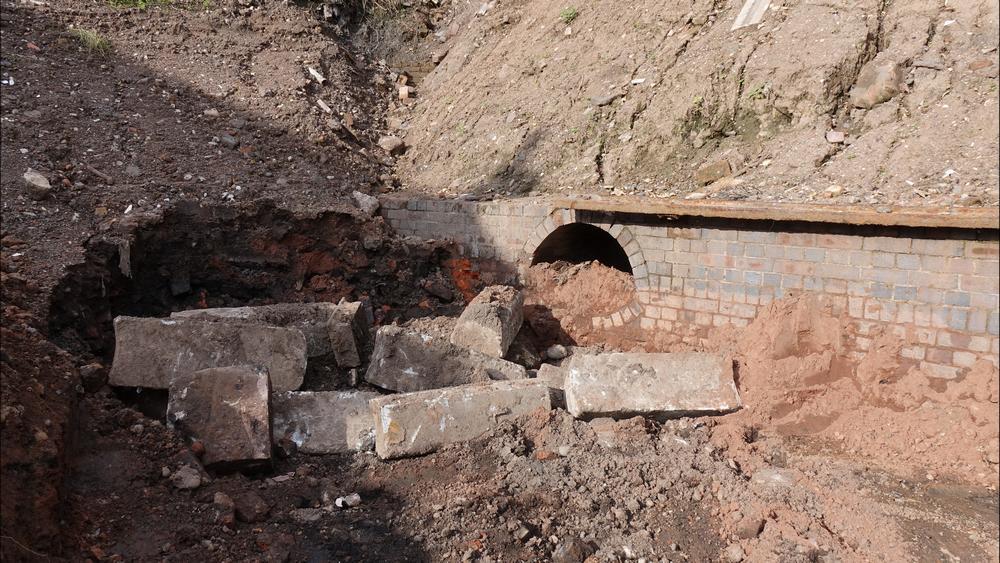
Above Lock 18 which was restored by Trust volunteers back in 1997, the canal basin has been fully excavated up to the old Fosseway Lane Bridge which we have investigated but sadly the old brick arch road bridge appears to have been demolished and only a small section of the existing off side wing wall has been found at the lower level.
September Guided Walk
The second half of the Lichfield Heritage Water Walk featuring part of the Lichfield Canal. Peter Buck explains the progress made on restoring the Fosseway Heath section. September 14th 2019. The walk begins at Sandfields Pumping Station and also includes a bus trip to Gallows Wharf. Thanks to Aston Manor Road Transport Museum for loan of the bus.
October - end of a marathon
By the end of October it was complete. IT, of course, being the new towpath wall. It stretches from beyond the new Wetlands Area, just up to where the steps cross the bed of the canal, all the way back to Falkland Road: say, a length of about 200 yards or more. The final bricks have been laid, towpath topping has been applied and compacted to make a nice comfortable walking surface and an escape ladder has been installed just short of the canal’s sharp right hand turn to follow Falkland Road.
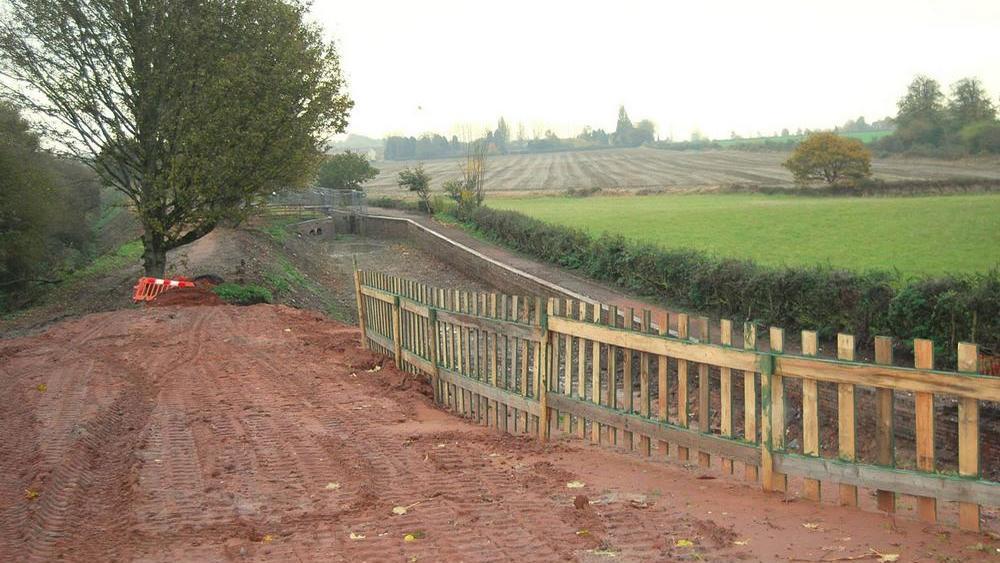
At the far end at Fosseway Lane, a huge onslaught by our very own volunteers together with an enthusiastic two week camp of the Waterway Recovery Group volunteers (WRGies), have transformed the area. The canal base was excavated to its original level all the way up to Fosseway Lane, exposing the foundations of the original road bridge This has since been back-filled for safety reasons. All this work became possible thanks to the loan of 14.5 ton excavator from Chasetown Civil Engineering Ltd.


November / December - turning the corner
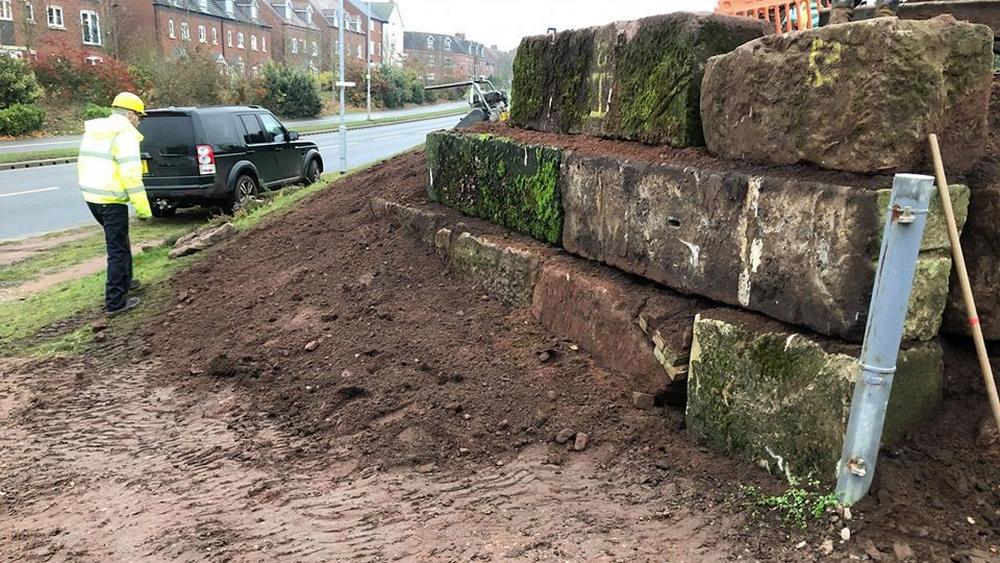
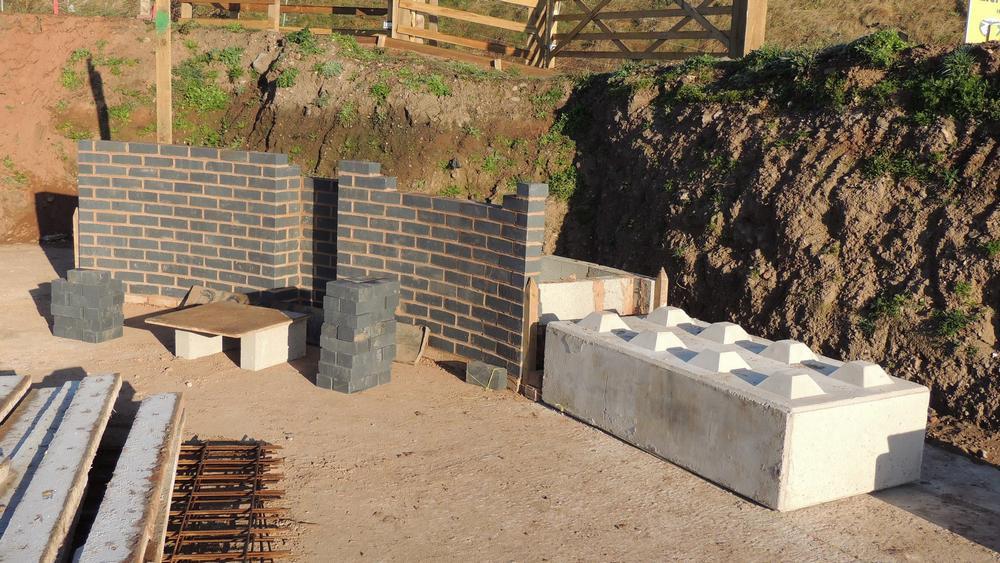
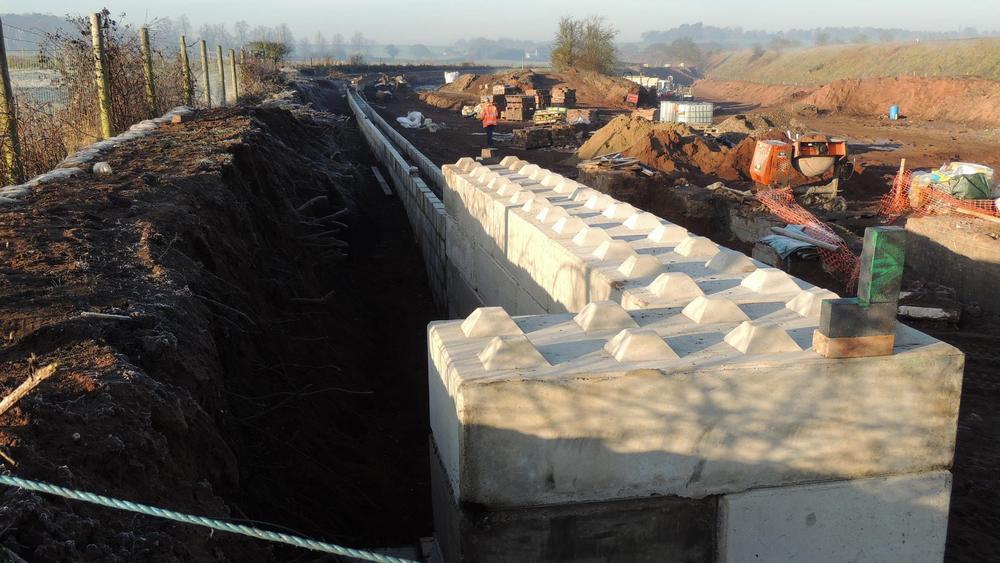
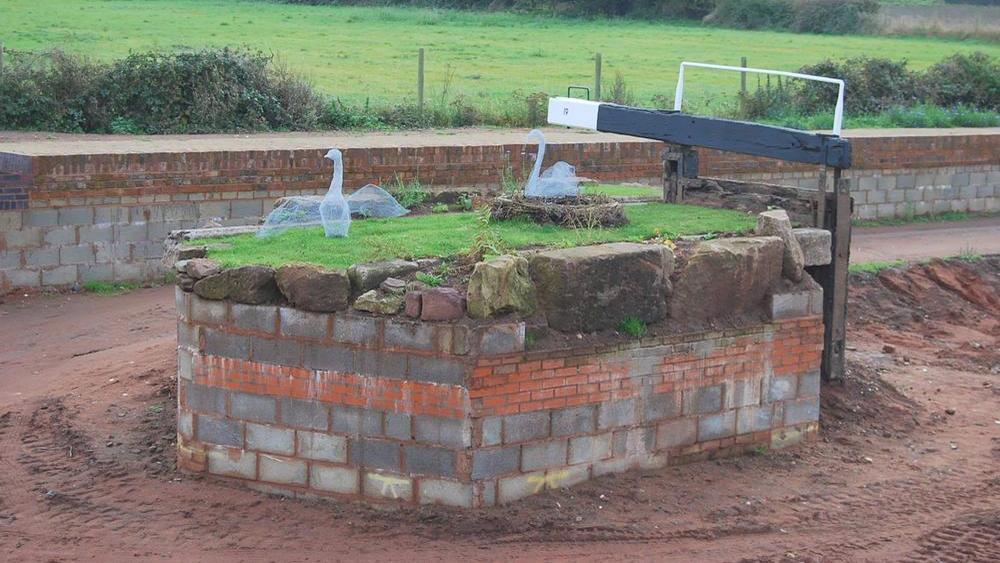
The chaps have been putting blocks in place at the gateway to Fosseway Heath. These will keep the earth in place, as we work on building up the canal to the correct level along Falkland Road. The gateway will eventually be filled in and become the side of the canal.
Falkland Road at this point rises until it reaches Claypit Lane. The base of the canal has to be kept horizontal. So for the first 50 to 100 yards the canal retaining walls will need to be built up above the existing ground level. The height of the canal is determined by that in the new turning pound, obviously. Then the base will begin to get deeper and deeper as the land rise, as it progresses towards Claypit Lane. You can imagine there is a huge amount of spoil to be removed in digging this trench and it will all have to be transported into the Fosseway site and fill the void between the canal and the railway line.
The lads started extending the grass slope on south side of Falkland Road up to the level of the offside canal towpath trail. It is amazing the range of tasks the volunteers tackle, even turfing the side slopes to get early grass regeneration! The ‘oss watches over the activity with interest